
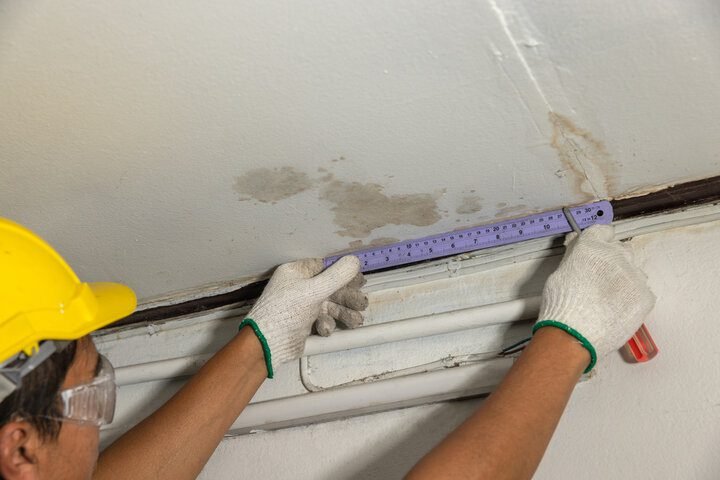
Autumn in the Colorado Rockies is one of the most beautiful times of year. Golden aspens line the roads from Breckenridge to Vail, cool air settles into the valleys, and homeowners prepare for another mountain winter. Yet beneath the seasonal charm, fall weather in Summit County creates ideal conditions for hidden water damage in both residential and commercial properties.
At Rocky Mountain Restore, based in Summit County and serving Breckenridge, Silverthorne, Dillon, Frisco, Keystone, Vail, and surrounding mountain communities, we regularly respond to property damage that begins quietly in autumn. What starts as minor moisture from rain, frost, leaves, or early snow can evolve into structural deterioration, mold growth, and costly repairs if not addressed early.
Understanding how autumn weather leads to hidden water damage helps property owners stay ahead of problems and protect their investments before winter intensifies the risks.
Autumn Rains and Roof Leaks in the Rockies
Autumn rainstorms in the Colorado high country are often steady and cold rather than dramatic. While summer storms may dump heavy rain quickly, fall precipitation tends to linger. That prolonged exposure allows water to exploit small vulnerabilities in roofing systems. Shingles that expanded in summer heat and contracted in cool nights can loosen. Flashing around chimneys and skylights may separate slightly, creating subtle entry points for moisture.
In mountain towns like Breckenridge and Frisco, many homes and commercial buildings have steep-pitched roofs designed for snow load. However, aging materials, wind-driven rain, and temperature fluctuations can compromise even well-built systems. When rain seeps beneath shingles, it often saturates roof decking and insulation before interior stains become visible.
Common causes of autumn roof-related water damage include:
- Cracked or curling shingles from temperature swings
- Worn flashing around vents, chimneys, and skylights
- Nail pops that create micro-openings
- Poorly sealed roof penetrations from previous repairs
- Aging underlayment weakened by UV exposure
Because attic spaces in Summit County homes are often insulated for winter efficiency, moisture trapped above ceilings may go unnoticed. Property owners might not see active dripping but could experience damp insulation, slow rot in structural members, or hidden mold growth. A professional moisture inspection can detect elevated humidity or hidden wet areas before structural repairs become necessary.
Rocky Mountain Restore provides comprehensive water damage assessments following autumn rain events throughout Summit County. Early detection allows for targeted drying and mitigation, reducing the risk of widespread damage as colder weather sets in.
Melting Frost and Hidden Wall Moisture
Mountain mornings in Silverthorne and Dillon often begin below freezing in autumn. Frost accumulates on roofs, siding, and window frames overnight, then melts as the sun rises. While this freeze-thaw cycle seems harmless, repeated moisture exposure around exterior walls can lead to hidden infiltration.
When frost melts, water can seep into small cracks in siding, trim, or masonry. Capillary action may draw moisture behind exterior cladding and into wall cavities. Because this process happens gradually, damage builds over time rather than from a single dramatic event.
Areas especially vulnerable to frost-related wall moisture include:
- Window and door frames with aging caulk
- Wood trim joints exposed to direct sun
- Siding seams facing prevailing winds
- Unsealed penetrations for utilities and vents
- Foundation-to-siding transition points
In high-altitude communities like Keystone and Vail, strong UV exposure and temperature extremes accelerate material breakdown. Sealants shrink. Paint cracks. Minor gaps form. Frost meltwater exploits these small weaknesses, dampening insulation and framing inside walls.
Hidden wall moisture can remain undetected for weeks or months. Interior drywall may show no staining until insulation becomes saturated or mold colonies begin forming. Property owners might notice a musty odor or slight warping in baseboards without realizing moisture has been present since early fall.
Rocky Mountain Restore uses moisture meters, thermal imaging, and professional drying equipment to locate and address concealed wall moisture. Identifying and mitigating these issues before heavy winter snow arrives helps protect structural integrity and indoor air quality.
Clogged Gutters During Falling Leaves
Autumn leaves are part of what makes Summit County so scenic. However, falling foliage also clogs gutters and downspouts throughout Breckenridge, Frisco, and surrounding mountain communities. When drainage systems become blocked, water has nowhere to go except over the edges or back toward the roofline.
Overflowing gutters can direct water behind fascia boards and into soffits. Over time, this moisture intrusion can lead to rot, mold growth, and damage to insulation and ceiling materials. In commercial buildings, clogged roof drains pose similar risks, especially on flat or low-slope sections.
Signs of gutter-related water issues include:
- Water spilling over edges during rain
- Sagging or detached gutter sections
- Peeling exterior paint near rooflines
- Dark streaks along siding
- Basement or crawl space dampness after storms
As temperatures drop in Dillon and Silverthorne, clogged gutters also increase the risk of ice formation. Water trapped in debris freezes overnight, expanding and stressing gutter brackets and roofing edges. This freeze-thaw pattern can create small separations that later allow snowmelt to enter the building envelope.
Routine gutter cleaning in early and mid-autumn is one of the most effective preventative measures property owners can take. If overflow has already occurred, a professional assessment can determine whether moisture has entered attic spaces, wall cavities, or foundation areas.
Rocky Mountain Restore assists homeowners and businesses in identifying hidden damage caused by poor drainage. Addressing these issues in the fall reduces the likelihood of more severe structural or mold problems during winter.
Mountain Storms That Soak Foundations
Autumn storms in the Rockies can bring a mix of cold rain, sleet, and early snow. When the ground is not yet fully frozen, heavy precipitation saturates soil around foundations. In Summit County’s mountainous terrain, sloped lots can channel water directly toward structures.
Hydrostatic pressure builds as soil absorbs moisture. This pressure pushes water against foundation walls and into small cracks. Over time, seepage may occur in basements, crawl spaces, and lower-level commercial storage areas.
Foundation-related water damage often results from:
- Poor grading that directs water toward the structure
- Inadequate downspout extensions
- Cracked foundation walls or window wells
- Clogged perimeter drains
- Expansive soil shifting during freeze-thaw cycles
In mountain communities such as Breckenridge and Keystone, many properties include finished basements or garden-level units. Hidden seepage can dampen carpet padding, warp flooring, and promote mold growth behind drywall. Even minor moisture intrusion can lead to significant indoor air quality concerns if not promptly dried.
Rocky Mountain Restore responds to water intrusion events throughout Summit County, including areas near 80424 and neighboring communities. Our team conducts thorough inspections to identify both visible water and hidden saturation within structural materials.
Professional water extraction, structural drying, and dehumidification are critical in preventing long-term damage. Addressing foundation moisture in autumn helps ensure properties remain stable and dry throughout winter snow accumulation.
Early Snowfall and Ice Dam Formations Risk
Early snowfall is common in higher elevations like Vail and Breckenridge. While the first snow often melts quickly, fluctuating temperatures can create ice dam risks even before winter officially begins.
Ice dams form when heat escaping from a building warms the roof surface, causing snow to melt. Meltwater flows downward until it reaches colder roof edges, where it refreezes. Over time, ice accumulates, forming a barrier that traps additional water behind it. This trapped water can seep beneath shingles and into attics and wall cavities.
Autumn conditions that increase ice dam risk include:
- Inadequate attic insulation
- Poor attic ventilation
- Clogged gutters from fall debris
- Uneven roof temperatures
- Rapid freeze-thaw cycles
In Summit County, early-season ice dams are especially problematic because property owners may not yet have winter maintenance plans in place. Small leaks that begin in October or November can go unnoticed until interior staining appears months later.
Ice dam-related damage often affects:
- Ceiling drywall and insulation
- Exterior walls below rooflines
- Electrical fixtures in upper floors
- Structural roof decking
Rocky Mountain Restore provides water damage restoration services throughout Summit County and nearby mountain communities when ice dams lead to interior leaks. Prompt mitigation limits the spread of moisture and reduces the likelihood of secondary mold growth.
Why Fall Moisture Turns Into Mold Issues
Autumn moisture alone does not always cause immediate visible damage. However, when combined with cooler temperatures and reduced ventilation, it creates ideal conditions for mold growth. Mold thrives in damp, enclosed environments where organic materials such as wood, drywall, and insulation are present.
In mountain homes and commercial properties, windows and doors are often kept closed as temperatures drop. This limits airflow and traps humidity indoors. If hidden moisture from roof leaks, wall seepage, or foundation intrusion remains unaddressed, mold colonies can develop within 24 to 48 hours under favorable conditions.
Factors that accelerate fall mold problems include:
- Persistent damp insulation or drywall
- Elevated indoor humidity
- Limited natural ventilation
- Delayed detection of small leaks
- Incomplete drying after minor water events
Mold growth may first appear as a musty odor rather than visible spotting. Over time, discoloration can develop on walls, ceilings, or within HVAC systems. Both residential and commercial properties in Summit County are susceptible, particularly in basements, crawl spaces, and attic corners.
Rocky Mountain Restore offers professional mold inspection and remediation services throughout Breckenridge, Silverthorne, Dillon, Frisco, Keystone, Vail, and surrounding Colorado mountain communities. Our team identifies moisture sources, contains affected areas, and restores indoor environments to safe conditions.
Addressing autumn moisture quickly is essential. What begins as minor seasonal dampness can become a significant mold remediation project if left untreated through winter.
Frequently Asked Questions
How do I know if autumn weather has caused hidden water damage in my home?
Hidden water damage often shows subtle warning signs such as musty odors, peeling paint, warped baseboards, or unexplained increases in indoor humidity. In Summit County’s mountain climate, freeze-thaw cycles and prolonged fall rain can allow moisture to enter attics, walls, or basements without obvious leaks. Rocky Mountain Restore serving Summit County and nearby communities offers professional moisture inspections to detect concealed damage before it becomes severe.
Is water damage restoration different in Colorado mountain communities?
Yes, restoration in high-altitude areas like Breckenridge and Silverthorne requires specialized knowledge of freeze-thaw cycles, snow loads, and rapid temperature shifts. Drying times, material performance, and ventilation strategies differ from lower elevations. Rocky Mountain Restore understands these regional factors and tailors water damage restoration services to Summit County’s unique mountain environment.
How quickly should water damage be addressed to prevent mold?
Mold can begin developing within 24 to 48 hours when moisture is present and temperatures are suitable. In autumn, closed windows and reduced airflow can accelerate growth. Rocky Mountain Restore responds promptly throughout Summit County and surrounding areas to extract water, dry materials, and reduce the risk of mold following leaks or storm-related damage.
Does homeowners insurance cover autumn storm or water damage?
Coverage depends on the specific policy and cause of loss. Sudden and accidental water damage from storms is often covered, while long-term maintenance issues may not be. Rocky Mountain Restore works with property owners in Breckenridge, Dillon, Frisco, and nearby communities to document damage and coordinate with insurance providers during the claims process.
What should I do if I discover a roof leak after early snowfall?
If you notice staining, dripping, or damp insulation, it is important to act quickly. Safely contain active drips and avoid entering unsafe attic spaces. Contact a professional restoration company such as Rocky Mountain Restore serving Summit County to assess the extent of moisture intrusion, begin drying, and help prevent structural deterioration or mold growth.
Can commercial properties in Summit County experience hidden fall water damage too?
Absolutely. Retail spaces, restaurants, offices, and lodging properties in areas like Keystone and Vail face similar risks from clogged drains, roof leaks, and foundation seepage. Rocky Mountain Restore provides commercial water damage restoration services throughout the region to minimize downtime and restore safe operating conditions.
How can I reduce the risk of autumn water damage to my property?
Preventative steps include cleaning gutters, inspecting roofing and flashing, sealing exterior gaps, and ensuring proper drainage around foundations. Scheduling a professional inspection before winter can identify vulnerabilities. Rocky Mountain Restore serving Summit County and surrounding mountain communities can assess properties and recommend practical mitigation strategies.
What does professional mold remediation involve?
Professional mold remediation includes identifying the moisture source, containing affected areas, removing contaminated materials when necessary, and thoroughly cleaning and drying the space. Rocky Mountain Restore follows industry-standard procedures to restore safe indoor environments for homes and businesses throughout Summit County and nearby Colorado mountain communities.