
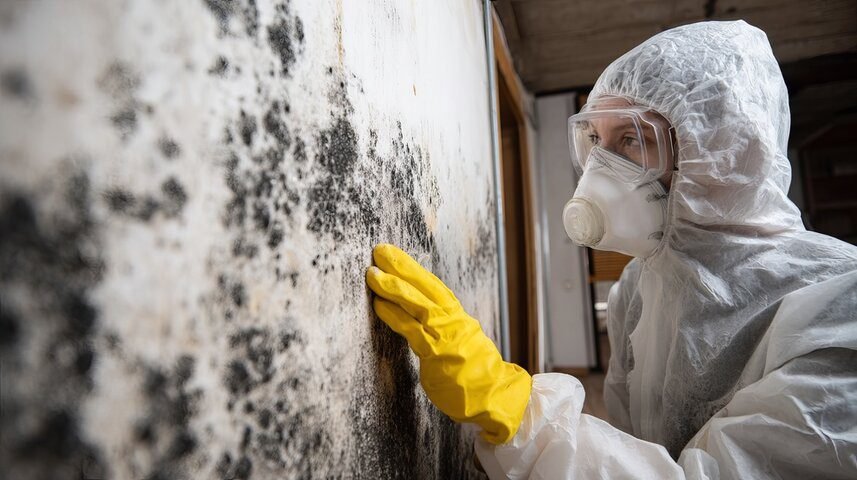
Fall in Colorado’s high country is beautiful, crisp, and unpredictable. As temperatures drop across Breckenridge, Silverthorne, Dillon, Frisco, Keystone, Vail, and surrounding mountain communities, homes begin transitioning from summer moisture patterns to winter conditions. That seasonal shift can quietly create ideal conditions for mold growth if moisture is not properly controlled.
For homeowners in Summit County, fall is one of the most important times of year to focus on mold prevention. Snowmelt from previous seasons, autumn rain, fluctuating temperatures, and increased indoor heating can all contribute to hidden moisture buildup. Rocky Mountain Restore, based in Breckenridge, Colorado, has extensive experience helping residential and commercial property owners address water damage and mold concerns before they escalate into major restoration projects.
This guide outlines practical, mountain-specific fall mold prevention tips to help protect your home and your health.
Why Fall Moisture Increases Mold Risk in Mountain Homes
Fall creates a unique moisture environment in high-elevation communities. During the day, temperatures may still climb into mild ranges, while overnight freezes begin to occur regularly. That freeze-thaw cycle plays a significant role in hidden moisture intrusion.
Mountain homes in Summit County often feature complex roofing systems, large window expanses, and walkout basements built into slopes. These architectural features, while beautiful and functional, can allow moisture to seep in when seals, flashing, or drainage systems begin to fail. As humidity becomes trapped indoors, mold can begin developing in as little as 24 to 48 hours under the right conditions.
Several seasonal factors contribute to higher mold risk during fall:
- Freeze-thaw cycles causing roof and siding expansion
- Increased indoor heating trapping moisture
- Autumn rainstorms saturating soil near foundations
- Reduced ventilation as windows remain closed
- Early snow accumulation melting and refreezing
In Colorado mountain communities like Breckenridge and Frisco, soil saturation from fall rain combined with early snowfall can lead to foundation seepage. Homes built into hillsides are particularly vulnerable. Even small amounts of moisture behind walls or under flooring can lead to microbial growth over time.
Another factor is lifestyle changes. As residents and second homeowners close windows and prepare for winter, airflow decreases. Fireplaces and furnaces are used more frequently, which can alter indoor humidity levels and create condensation around windows, crawl spaces, and attics.
If left unaddressed, fall moisture issues can quietly develop into:
- Musty odors in basements or crawl spaces
- Discoloration on drywall or ceilings
- Warped flooring or trim
- Allergy-like symptoms among occupants
- Structural deterioration over time
Understanding why fall creates mold-friendly conditions is the first step toward prevention.
Inspect Roofing and Gutters Before Snowfall
Before the first significant snowfall in Summit County, homeowners should conduct a thorough exterior inspection. Your roof and gutter system serve as the first line of defense against moisture intrusion.
In mountain environments, roofing materials endure intense UV exposure, heavy snow loads, ice dams, and wind-driven precipitation. Minor issues that go unnoticed in summer can become major problems once snow accumulates and melts unevenly.
Start by visually examining your roof from the ground or with professional assistance. Look for missing shingles, cracked flashing, or sagging areas. Even small vulnerabilities allow melting snow to penetrate beneath roofing layers.
Key fall roofing and gutter maintenance tasks include:
- Cleaning leaves and debris from gutters and downspouts
- Checking for loose or damaged flashing
- Inspecting attic spaces for signs of daylight or moisture
- Confirming downspouts direct water away from foundations
- Evaluating roof penetrations around vents and chimneys
Clogged gutters are particularly problematic in Breckenridge and Silverthorne. When debris blocks drainage, melting snow backs up under shingles and can form ice dams. Ice dams trap water on the roof, forcing it into attic spaces and insulation.
Attic moisture often goes unnoticed until mold growth becomes visible or odors develop. Warning signs may include:
- Wet insulation
- Dark staining on roof decking
- Frost buildup inside the attic
- Increased indoor humidity
If you notice any of these signs, it is wise to consult a restoration professional. Rocky Mountain Restore serves homeowners throughout Summit County and nearby communities, providing moisture assessments and water damage restoration services when roofing failures lead to interior damage.
Proactive inspection in fall can prevent costly structural repairs and mold remediation during winter.
Control Indoor Humidity as Temps Drop This Fall
When outdoor temperatures drop, homeowners naturally seal up their homes to conserve heat. While energy efficiency is important, reduced ventilation can trap moisture indoors and create ideal conditions for mold growth.
Mountain homes often experience condensation on windows, especially during early fall mornings when interior warmth meets cold exterior glass. Over time, this condensation can drip into window frames, wall cavities, and subflooring.
Maintaining balanced indoor humidity is critical. Ideally, indoor humidity should remain between 30 and 50 percent during colder months.
Effective humidity control strategies include:
- Using dehumidifiers in basements and crawl spaces
- Running bathroom exhaust fans during and after showers
- Venting kitchen ranges properly while cooking
- Keeping furniture slightly away from exterior walls
- Monitoring humidity with digital hygrometers
Homes in Dillon and Keystone often have finished basements or garden-level living spaces built into sloped terrain. These areas are particularly vulnerable to dampness as surrounding soil retains moisture from fall rain and early snowmelt.
Additionally, vacation or secondary homes that sit unoccupied for periods of time face elevated risk. Without consistent airflow and climate control, humidity can rise unnoticed.
Consider these additional precautions for part-time residences:
- Installing smart thermostats with humidity monitoring
- Scheduling periodic property checks
- Ensuring crawl space vapor barriers remain intact
- Using automatic dehumidification systems
If you detect persistent musty odors, visible spotting on surfaces, or recurring condensation problems, a professional moisture assessment can identify hidden issues. Rocky Mountain Restore, based in Breckenridge, works with homeowners throughout Summit County to evaluate indoor air quality concerns and address mold risks before winter fully sets in.
Schedule Professional Mold Inspections Before Winter
Fall is an ideal time to schedule a mold inspection, especially if your home has experienced previous water damage, roof leaks, or foundation seepage.
A professional mold inspection goes beyond surface-level observation. Restoration specialists use moisture meters, thermal imaging cameras, and air quality sampling tools to identify hidden moisture pockets and potential microbial growth areas.
Benefits of a pre-winter mold inspection include:
- Early detection of concealed leaks
- Identification of high-humidity zones
- Documentation for insurance purposes
- Peace of mind heading into heavy snow season
- Prevention of costly mid-winter remediation
In mountain communities like Frisco and Vail, winter access to certain areas of a home can become difficult once snow accumulates. Addressing concerns in fall ensures easier mitigation and repairs.
Professional inspectors often evaluate:
- Attics and insulation
- Crawl spaces and subfloors
- Window and door seals
- HVAC systems and ductwork
- Bathrooms and laundry areas
If mold is discovered, timely remediation prevents it from spreading during the long winter months when homes remain closed up. Rocky Mountain Restore provides mold remediation services for both residential and commercial properties throughout Summit County, including areas such as Breckenridge 80424 and Silverthorne 80498.
Prompt action reduces health risks and helps maintain property value.
Address Small Leaks Before They Spread Mold Growth
One of the most common causes of fall mold growth is small, overlooked leaks. A slow drip under a sink or minor roof seepage may seem insignificant, but over time it can saturate drywall, insulation, and wood framing.
Mountain properties are particularly vulnerable due to expansion and contraction caused by temperature swings. Plumbing joints, exterior seals, and window caulking can deteriorate faster at higher elevations.
Common leak sources in fall include:
- Plumbing connections under sinks
- Appliance supply lines
- Roof valleys and flashing seams
- Window and door frames
- Foundation cracks
Even minor water intrusion can result in:
- Softened drywall
- Bubbling paint
- Warped baseboards
- Hidden mold colonies inside wall cavities
If you discover moisture damage, quick drying is critical. Mold can begin growing within 24 to 48 hours in damp materials. Homeowners should avoid simply painting over stains or applying surface cleaners without addressing the underlying moisture source.
Rocky Mountain Restore responds to water damage incidents throughout Summit County and nearby Colorado mountain regions. Their team conducts thorough moisture mapping, structural drying, and mold remediation when necessary, helping property owners prevent small issues from escalating into widespread contamination.
Early intervention is significantly more cost-effective than large-scale remediation.
Partner With Local Restoration Experts in Summit County
Fall mold prevention is not just about maintenance. It is about having a trusted local partner who understands the unique climate challenges of Colorado’s high country.
Rocky Mountain Restore is based in Breckenridge, Colorado, and serves homeowners and businesses throughout Summit County, including Silverthorne, Dillon, Frisco, Keystone, Vail, and surrounding mountain communities. Their team has extensive experience managing water damage restoration, fire and smoke cleanup, mold remediation, and comprehensive property restoration projects.
Working with a local restoration company provides several advantages:
- Rapid response during moisture emergencies
- Familiarity with mountain construction styles
- Knowledge of regional weather patterns
- Experience coordinating with insurance providers
- Understanding of local building codes and standards
Fall preparation often reveals issues that require professional support. Whether it is attic moisture, crawl space dampness, roof leaks, or previous water damage concerns, early assessment can protect your property before heavy snow arrives.
Rocky Mountain Restore offers:
- Comprehensive mold inspections
- Professional mold remediation
- Water extraction and structural drying
- Fire and smoke damage cleanup
- Insurance restoration services for residential and commercial properties
By partnering with experienced restoration professionals before winter, homeowners can move into the snowy season with greater confidence and peace of mind.
Frequently Asked Questions
How quickly can mold grow after water damage in a Colorado mountain home?
Mold can begin developing within 24 to 48 hours after water intrusion, especially in enclosed areas with limited airflow. In mountain communities like Breckenridge and Frisco, cooler temperatures do not eliminate mold risk if moisture is present indoors. Rocky Mountain Restore serving Summit County and nearby communities offers rapid water extraction, drying, and mold prevention services to minimize microbial growth after leaks or flooding.
What are common signs of hidden mold in Summit County homes?
Common signs include musty odors, discoloration on walls or ceilings, peeling paint, warped flooring, and increased allergy symptoms among occupants. In areas like Silverthorne and Dillon, crawl spaces and basements are frequent problem zones due to slope-side construction. Rocky Mountain Restore provides professional mold inspections to identify concealed growth using moisture detection and air quality testing tools.
Does homeowners insurance cover mold remediation in Colorado?
Insurance coverage for mold remediation varies depending on the source of moisture and the specific policy. Mold resulting from sudden and accidental water damage is often covered, while long-term neglect may not be. Rocky Mountain Restore works with homeowners throughout Summit County to document damage, coordinate with insurance providers, and support the claims process whenever possible.
Why is fall an important time for mold inspections in mountain communities?
Fall is critical because freeze-thaw cycles, autumn rain, and early snow create ideal moisture conditions before winter sets in. Once heavy snow arrives in areas like Keystone and Vail, accessing roofs and exterior systems becomes more difficult. Scheduling an inspection with Rocky Mountain Restore in the fall helps detect and resolve issues before they worsen during the colder months.
What should I do if I discover water damage in my Breckenridge property?
If you notice water damage, act quickly to stop the source of moisture and contact a professional restoration company. Delays increase the likelihood of mold growth and structural deterioration. Rocky Mountain Restore, based in Breckenridge, provides responsive water damage restoration services throughout Summit County to assess, dry, and repair affected areas safely and efficiently.
Can mold affect indoor air quality during winter?
Yes, mold spores can circulate through HVAC systems and impact indoor air quality, especially when homes are sealed tightly during winter. In high-elevation communities, reduced ventilation increases this risk. Rocky Mountain Restore offers mold remediation and air quality solutions designed to restore healthy indoor environments for both residential and commercial properties.
How do restoration companies remove mold safely?
Professional mold remediation involves containment of affected areas, removal of contaminated materials, HEPA air filtration, antimicrobial treatments, and moisture control measures. Rocky Mountain Restore follows industry best practices to ensure mold is addressed thoroughly and safely for properties across Summit County and surrounding mountain regions.
Do commercial properties in Summit County need fall mold prevention too?
Absolutely. Restaurants, retail spaces, lodging properties, and office buildings in areas like Frisco and Silverthorne face similar moisture risks during fall. Commercial mold issues can disrupt operations and create liability concerns. Rocky Mountain Restore provides commercial property damage restoration and mold remediation services to help businesses maintain safe, compliant environments.