
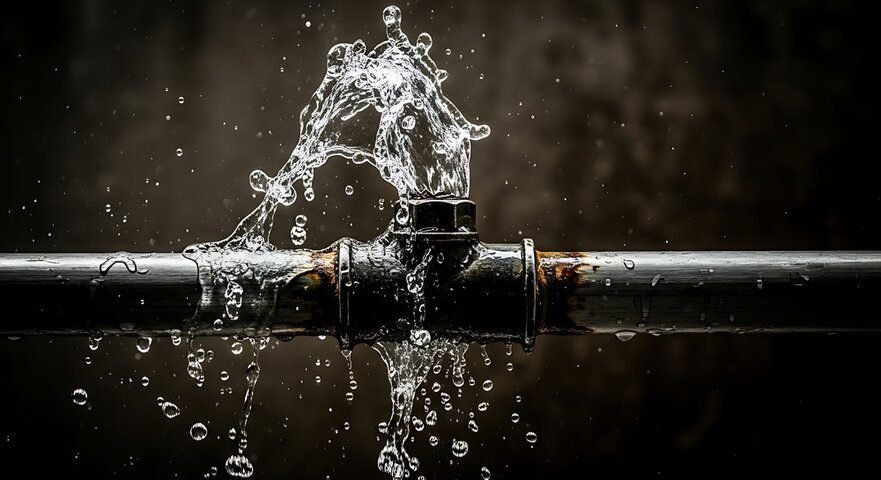
Winter in Colorado’s high country is beautiful, but for property owners in Breckenridge, Silverthorne, Dillon, Frisco, Keystone, Vail, and surrounding mountain communities, freezing temperatures can create serious risks. One of the most common and costly winter property issues is frozen pipe water damage. When pipes freeze and burst, they can release hundreds of gallons of water into a home or commercial building in a matter of hours.
At Rocky Mountain Restore, based in Summit County, Colorado, we have helped countless homeowners and business owners recover from frozen pipe damage. Our experience in high-altitude climates gives us unique insight into how cold weather, snow loads, and fluctuating temperatures affect plumbing systems and building materials.
If you are facing water damage after a frozen pipe burst, acting quickly can significantly reduce structural damage, mold growth, and repair costs. The following emergency steps will help you protect your property and understand when to call a professional water damage restoration team.
Shut Off Water and Ensure Electrical Safety
The first and most critical step after discovering frozen pipe water damage is to stop the source of the water. Even a small crack in a pipe can release a steady flow of water that saturates drywall, insulation, flooring, and structural framing.
If you suspect or confirm a burst pipe:
- Shut off the main water supply immediately
- Turn off the water heater to prevent pressure buildup
- Open faucets to relieve remaining pressure in the lines
- Avoid using plumbing fixtures until repairs are made
In mountain homes throughout Summit County, plumbing systems may run through crawl spaces, attics, or exterior walls. These areas are especially vulnerable during prolonged sub-freezing temperatures. Knowing the location of your main shutoff valve before winter begins can save valuable time during an emergency.
Electrical safety is equally important. Water and electricity create a dangerous combination. If water has spread near outlets, appliances, or electrical panels, take precautions before entering affected areas.
- Turn off power at the breaker panel if it is safe to do so
- Avoid standing water while handling electrical components
- Do not use wet appliances or electronics
- Contact a licensed electrician if you suspect wiring damage
For commercial properties in areas like Frisco or Vail, electrical systems may be more complex. In these cases, facility managers should prioritize safety and coordinate with restoration professionals to secure the building.
By shutting off water quickly and addressing electrical hazards, you limit further property damage and reduce the risk of injury while preparing for the next steps in the restoration process.
Assess Visible Water Damage in All Affected Areas
Once the water source has been stopped and the area is safe to enter, the next step is a careful assessment of visible damage. In many cases, water travels far beyond the location of the burst pipe. It can seep through insulation, run along beams, and collect in lower levels of the property.
Start by identifying obvious signs of water intrusion:
- Sagging or stained ceilings
- Warped hardwood or laminate flooring
- Bubbling or peeling paint
- Wet carpet or padding
In multi-story homes in Breckenridge or Silverthorne, water from an upstairs bathroom or attic pipe can quickly affect ceilings, walls, and flooring below. Even if damage appears minor at first glance, hidden moisture may be present behind drywall or under subflooring.
It is important to check:
- Crawl spaces and basements
- Attic insulation
- Cabinets under sinks
- Utility rooms and mechanical closets
Mountain homes often include custom woodwork and natural materials that can absorb moisture quickly. Log homes and properties with exposed beams are particularly susceptible to long-term damage if drying is delayed.
Commercial properties in Summit County may experience water spreading across office suites, retail areas, or storage spaces. Document which rooms are affected and note the condition of furnishings, inventory, and equipment.
While you can identify visible issues, professional restoration teams use moisture meters and thermal imaging to detect hidden water pockets. A thorough inspection ensures that no damp areas are left untreated, reducing the likelihood of structural deterioration or mold growth.
Remove Standing Water and Start Drying the Structure
Standing water should be removed as soon as possible. The longer water remains, the more damage it causes to building materials and contents. Within hours, drywall can begin to soften, and wood can start to swell.
For small amounts of water, property owners may use:
- Wet/dry vacuums
- Mops and absorbent towels
- Portable pumps for deeper pooling
- Fans to circulate air
However, most frozen pipe incidents in Colorado mountain communities involve more than just surface moisture. Water often saturates insulation, seeps beneath flooring, and becomes trapped inside wall cavities. DIY drying methods may not be sufficient to prevent long-term problems.
Professional water damage restoration teams use specialized equipment such as:
- High-capacity extraction units
- Commercial-grade air movers
- Industrial dehumidifiers
- Moisture detection tools
At Rocky Mountain Restore, serving Summit County and nearby areas, our technicians create a structured drying plan tailored to the property. This includes calculating the correct number of air movers and dehumidifiers based on square footage, material types, and the severity of water intrusion.
Drying in mountain climates presents unique challenges. Cold outdoor temperatures can slow evaporation, and tightly insulated homes may trap humidity inside. Proper ventilation and humidity control are essential to prevent secondary damage.
Quick and thorough drying not only protects structural components but also increases the chances of salvaging flooring, cabinetry, and personal belongings.
Prevent Mold Growth in Mountain Climates
Mold can begin developing within 24 to 48 hours after water exposure. In Summit County’s fluctuating climate, interior spaces may remain damp longer than expected, especially during winter when windows are closed and ventilation is limited.
After initial water removal, mold prevention becomes a priority. Key actions include:
- Reducing indoor humidity levels
- Removing water-damaged porous materials
- Sanitizing affected surfaces
- Monitoring moisture levels daily
Materials such as drywall, insulation, and carpet padding are highly absorbent. If they remain wet for too long, they may need to be removed and replaced. In both residential and commercial properties, early intervention significantly reduces mold remediation costs.
In mountain towns like Keystone and Dillon, vacation homes are particularly vulnerable. If a property sits unoccupied during a freeze event, water damage may go unnoticed for days or weeks. By the time the issue is discovered, microbial growth may already be present.
Warning signs of mold include:
- Musty odors
- Visible dark or green spots on walls or ceilings
- Increased allergy or respiratory symptoms indoors
- Persistent humidity despite drying efforts
Professional mold remediation involves containment, air filtration, removal of contaminated materials, and thorough cleaning. Rocky Mountain Restore provides comprehensive mold remediation services throughout Summit County, helping property owners restore safe indoor environments.
Addressing mold risk early protects your property’s value and the health of occupants.
Document Damage for Your Insurance Claim
Proper documentation is essential when filing an insurance claim for frozen pipe water damage. Insurance policies often cover sudden and accidental water damage, but claims require detailed evidence.
Begin documenting as soon as it is safe:
- Take clear photos of all affected areas
- Capture close-ups of damaged materials
- Record videos showing the extent of water intrusion
- Create a written inventory of damaged belongings
Include structural components such as walls, ceilings, flooring, and built-in cabinetry. For commercial properties in Frisco or Vail, be sure to document damage to equipment, furniture, and inventory.
Keep records of:
- Emergency repair costs
- Water extraction services
- Temporary accommodations if required
- Communication with insurance adjusters
Rocky Mountain Restore works closely with property owners and insurance providers throughout Summit County to streamline the claims process. Our team provides detailed estimates, moisture readings, and restoration reports that support accurate claim evaluation.
Prompt documentation helps avoid disputes and accelerates approval for necessary repairs. If you are unsure about coverage details, contacting your insurance provider early in the process can clarify next steps.
Clear, organized documentation can significantly reduce stress during an already challenging situation.
Call a Local Water Damage Restoration Team
While some minor water issues can be handled independently, frozen pipe water damage in mountain climates often requires professional intervention. A local restoration team understands the unique construction styles, weather patterns, and building codes in communities like Breckenridge and Silverthorne.
Benefits of calling a professional restoration company include:
- Rapid response to limit further damage
- Advanced moisture detection technology
- Structured drying and dehumidification plans
- Assistance with insurance coordination
Rocky Mountain Restore is based in Summit County, Colorado and serves residential and commercial clients throughout Breckenridge, Silverthorne, Dillon, Frisco, Keystone, Vail, and nearby mountain communities. Our team responds to water damage, fire damage, mold issues, and severe property emergencies with thorough assessment and professional care.
When frozen pipes burst, time is critical. Professional mitigation reduces structural repairs, protects indoor air quality, and shortens overall recovery timelines.
If your property has experienced frozen pipe water damage, contacting a trusted local restoration team can provide clarity, direction, and peace of mind during the recovery process.
Frequently Asked Questions
What should I do immediately after a frozen pipe bursts in my Colorado mountain home?
First, shut off your main water supply to stop additional flooding. Then turn off electricity to affected areas if it is safe to do so. Begin removing standing water and document visible damage. Rocky Mountain Restore serving Summit County and nearby communities can assess the situation quickly and help prevent further structural and mold-related damage.
How quickly can mold grow after water damage in Breckenridge or Summit County?
Mold can begin developing within 24 to 48 hours after water exposure, especially in enclosed or poorly ventilated areas. In mountain climates where homes are tightly insulated during winter, moisture can linger longer than expected. Rocky Mountain Restore provides professional drying and mold remediation services throughout Summit County to reduce health risks and structural damage.
Does homeowners insurance cover frozen pipe water damage in Colorado?
Many homeowners insurance policies cover sudden and accidental water damage from burst pipes, but coverage may depend on maintenance and occupancy conditions. Proper documentation is essential when filing a claim. Rocky Mountain Restore works with property owners in Breckenridge, Dillon, and surrounding communities to provide detailed reports that support the insurance claims process.
Can I dry out water damage myself without hiring a restoration company?
Small spills may be manageable with basic tools, but frozen pipe incidents often involve hidden moisture inside walls, floors, and insulation. Without professional equipment, it is difficult to ensure complete drying. Rocky Mountain Restore uses commercial-grade extraction and dehumidification equipment to restore properties safely and thoroughly across Summit County.
How long does water damage restoration take in mountain communities like Frisco or Keystone?
The timeline depends on the extent of water intrusion, affected materials, and how quickly mitigation begins. Initial drying typically takes several days, while full restoration may take longer if reconstruction is required. Rocky Mountain Restore provides clear timelines and ongoing updates to homeowners and business owners throughout Summit County.
What are signs of hidden water damage after a pipe freeze?
Signs may include musty odors, warped flooring, peeling paint, ceiling stains, or unexplained increases in humidity. In some cases, mold may appear weeks after the initial event. Rocky Mountain Restore uses moisture detection tools and thermal imaging to identify hidden water damage in properties across Breckenridge and surrounding mountain areas.
Do you provide commercial water damage restoration services in Summit County?
Yes, Rocky Mountain Restore serves both residential and commercial properties throughout Summit County and nearby Colorado mountain communities. We assist offices, retail spaces, restaurants, and other facilities with water extraction, structural drying, mold remediation, and full restoration following frozen pipe damage or other property emergencies.
Can frozen pipe damage lead to long-term structural problems?
Yes, if water is not removed and materials are not properly dried, wood framing can rot, drywall can deteriorate, and mold can spread. Over time, this may compromise structural integrity and indoor air quality. Rocky Mountain Restore provides comprehensive restoration services to protect long-term property value throughout Summit County and surrounding areas.