
Living in Breckenridge and throughout Summit County offers stunning alpine scenery, world-class skiing, and a strong sense of mountain community. However, the same high-elevation climate that makes this region beautiful also creates unique challenges for homeowners and business owners. Heavy snowfall, freezing temperatures, rapid spring melts, and summer storms all contribute to a wide range of water damage risks.
Rocky Mountain Restore is a locally trusted property damage restoration company based in Breckenridge, Colorado, serving residential and commercial properties throughout Summit County and nearby communities including Silverthorne, Dillon, Frisco, Keystone, Vail, and surrounding mountain areas. With years of experience handling water damage restoration, mold remediation, fire and smoke cleanup, and insurance restoration, our team understands how Colorado’s mountain environment affects buildings differently than lower-elevation regions.
Below, we explore the most common water damage issues in Breckenridge homes and what property owners can do to protect their investments.
Heavy Snowmelt and Roof Leak Risks in Mountain Homes
Breckenridge winters bring significant snowfall, often measured in feet rather than inches. While snow-covered roofs may look picturesque, the accumulation creates substantial weight and moisture exposure. When temperatures fluctuate, snow melts and refreezes repeatedly, increasing the risk of roof leaks and structural water intrusion.
As snow begins to melt in late winter and early spring, water must properly drain off the roof through gutters and downspouts. If drainage systems are blocked or ice-covered, melting snow can pool and seep under shingles or flashing. Even a small vulnerability in roofing materials can allow water to penetrate attic spaces and insulation.
Common roof-related water damage risks in mountain homes include:
- Snow loads exceeding roof design capacity
- Damaged or missing shingles from wind and ice
- Clogged or frozen gutters and downspouts
- Compromised flashing around chimneys and vents
- Improper attic ventilation causing uneven melting
Once water infiltrates the roofing system, it often travels along rafters and beams before becoming visible. Homeowners in Breckenridge and Frisco may first notice discoloration on ceilings or damp attic insulation rather than an obvious roof leak. By that point, moisture may have been present for days or weeks.
Water intrusion from snowmelt can lead to:
- Saturated insulation reducing energy efficiency
- Warped wood framing
- Ceiling staining and drywall damage
- Electrical hazards in attic spaces
- Mold growth in concealed cavities
Rocky Mountain Restore provides thorough water damage assessments after roof leaks, identifying not only visible damage but also hidden moisture within insulation, framing, and wall cavities. Quick action is critical in preventing secondary damage, especially in high-elevation homes where freeze-thaw cycles can continue for months.
Frozen Pipes and Winter Burst Damage Across Summit County
Extended freezing temperatures are a fact of life in Summit County. In communities like Dillon and Silverthorne, overnight temperatures often drop well below freezing for prolonged periods. When water inside pipes freezes, it expands, increasing pressure inside the pipe walls. This pressure can cause pipes to crack or burst.
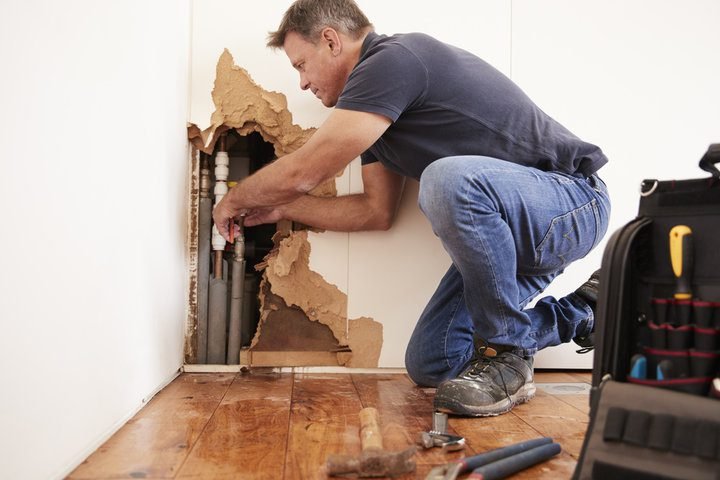
Burst pipes are one of the most destructive types of residential water damage. When a frozen pipe thaws, it may release a steady stream of water into walls, ceilings, or crawl spaces. If the property is a second home or vacation rental left unoccupied, the damage can continue unnoticed for hours or even days.
Areas most vulnerable to frozen pipes include:
- Exterior-facing walls with limited insulation
- Unheated basements or crawl spaces
- Garages with exposed plumbing
- Attic plumbing lines
- Irrigation and hose bib connections
Signs of frozen or burst pipes may include:
- Reduced water flow from faucets
- Frost visible on exposed pipes
- Unusual sounds within walls
- Water stains appearing suddenly
- Standing water in lower levels
In high-elevation communities like Breckenridge 80424, temperature swings can be extreme, especially during cold snaps followed by sunny afternoons. This rapid thawing increases the likelihood of sudden pipe failure.
When pipe bursts occur, immediate mitigation is essential. Rocky Mountain Restore serving Summit County and nearby mountain communities responds quickly to water emergencies, extracting standing water, drying structural components, and preventing mold growth. Our team also works closely with insurance providers to help streamline claims for pipe-related water damage.
Ice Dams Causing Attic and Ceiling Leaks
Ice dams are a frequent and costly issue for mountain homes. They form when heat from the attic causes snow on the roof to melt. The water flows downward until it reaches colder roof edges, where it refreezes and forms a ridge of ice. Over time, this ridge traps additional melting snow behind it.
The trapped water has nowhere to go. Instead of draining off the roof, it backs up beneath shingles and underlayment. This process allows water to infiltrate the roof deck and seep into attic spaces and ceilings.
Ice dams commonly result in:
- Ceiling stains along exterior walls
- Peeling paint near rooflines
- Wet insulation in attic spaces
- Warped drywall or sagging ceilings
- Mold development in upper-floor walls
Contributing factors to ice dam formation include:
- Inadequate attic insulation
- Poor attic ventilation
- Air leaks from living spaces into the attic
- Complex roof designs with valleys and dormers
- Heavy and prolonged snowfall
In homes throughout Keystone and Vail, multi-level rooflines and architectural features can increase the risk of uneven melting and ice buildup. Addressing ice dams requires both immediate mitigation and long-term prevention strategies.
Rocky Mountain Restore provides comprehensive water damage restoration following ice dam leaks. After removing damaged materials and drying affected areas, we help property owners understand contributing factors so they can work with roofing or insulation professionals to reduce future risk. Early intervention helps prevent long-term structural deterioration and mold issues.
Severe Basement Flooding After Mountain Storms
While winter damage is common, summer and early fall storms also create significant water damage risks. Heavy rainfall combined with rapid snowmelt can overwhelm drainage systems, especially in lower-lying areas of Frisco and Silverthorne.
Mountain soil conditions and sloped terrain often direct water toward foundations. If foundation drains or sump pumps fail, basements and lower levels can flood quickly. In commercial properties and finished basements, this can result in extensive losses.
Common causes of basement flooding include:
- Saturated soil around foundations
- Cracked foundation walls
- Malfunctioning sump pumps
- Blocked window well drains
- Improper exterior grading
Basement flooding can damage:
- Flooring and carpeting
- Drywall and insulation
- Electrical systems
- HVAC equipment
- Stored personal or business property
Because basements are below grade, moisture can remain trapped long after visible water is removed. Lingering dampness creates ideal conditions for mold growth and wood rot.
Rocky Mountain Restore serving Summit County and surrounding Colorado mountain communities uses professional-grade extraction equipment, industrial air movers, and dehumidifiers to thoroughly dry affected areas. We assess moisture levels within walls and subfloors to ensure no hidden pockets remain. Fast response is critical to reduce structural damage and minimize downtime for both homeowners and commercial properties.
Hidden Mold Growth from Lingering Moisture
In high-altitude environments, people often assume that cooler temperatures limit mold growth. However, mold can thrive in damp indoor conditions regardless of elevation. After water damage events such as roof leaks, pipe bursts, or basement flooding, moisture trapped in walls and flooring provides the perfect environment for microbial growth.
Mold often develops in concealed areas, including:
- Behind drywall
- Under flooring materials
- Inside insulation
- Within HVAC systems
- Beneath cabinetry
Warning signs of hidden mold may include:
- Musty odors
- Persistent allergy symptoms
- Discoloration on walls or ceilings
- Warped or bubbling paint
- Unexplained respiratory irritation
In vacation homes throughout Breckenridge and Dillon, delayed detection is common. If properties are unoccupied for extended periods, mold may spread before being noticed.
Mold growth not only damages building materials but can also impact indoor air quality. Professional mold remediation is often necessary to fully address contamination. Rocky Mountain Restore provides mold inspection, containment, removal, and restoration services throughout Summit County. Our team follows industry standards to isolate affected areas, remove contaminated materials safely, and restore healthy indoor conditions.
Early mitigation of water damage significantly reduces the likelihood of mold. Thorough drying and dehumidification are essential steps after any water intrusion event.
Appliance and Plumbing Failures at High Elevation
Modern homes in Keystone, Silverthorne, and Breckenridge rely heavily on appliances and complex plumbing systems. Dishwashers, washing machines, water heaters, and refrigerators with ice makers are all potential sources of water damage.
At high elevations, pressure variations and temperature fluctuations can place additional stress on plumbing components. Rubber hoses, fittings, and valves may degrade faster over time.
Common appliance-related water damage sources include:
- Washing machine supply hose failures
- Dishwasher line leaks
- Water heater tank ruptures
- Refrigerator ice maker line breaks
- Under-sink pipe corrosion
These failures often occur suddenly and release significant amounts of water in a short period. In multi-story homes or commercial properties, water can travel downward, damaging ceilings, walls, and flooring below.
Preventive measures include:
- Replacing rubber hoses with braided steel lines
- Regularly inspecting shutoff valves
- Installing water leak detection systems
- Scheduling routine plumbing inspections
- Draining and servicing water heaters annually
When appliance failures occur, immediate response limits structural damage and prevents secondary mold growth. Rocky Mountain Restore serving Summit County provides prompt water extraction, structural drying, and complete restoration services. We also assist property owners with documentation and communication during the insurance claims process.
Frequently Asked Questions
How quickly should water damage be addressed in Breckenridge homes?
Water damage should be addressed immediately, ideally within 24 hours, to minimize structural deterioration and mold growth. In mountain climates like Breckenridge and surrounding Summit County communities, freeze-thaw cycles and high humidity indoors can worsen damage quickly. Rocky Mountain Restore serving Summit County and nearby areas provides responsive water mitigation services to help reduce long-term repair costs and health risks.
Does homeowners insurance cover water damage in Colorado mountain communities?
Coverage depends on the source of the water damage and the specific insurance policy. Sudden and accidental incidents, such as burst pipes or appliance failures, are often covered, while gradual damage or flooding may require additional coverage. Rocky Mountain Restore works closely with homeowners and insurance providers throughout Breckenridge, Silverthorne, and Dillon to document losses and support the claims process.
What are the signs of mold after a roof leak or pipe burst?
Common signs include musty odors, visible discoloration, peeling paint, and increased allergy symptoms. Mold can also grow behind walls and under flooring without obvious visual clues. Rocky Mountain Restore serving Summit County offers professional mold inspections and remediation services to identify hidden growth and restore safe indoor air quality.
Can frozen pipes be prevented in high-elevation homes?
Yes, preventive steps such as insulating exposed pipes, maintaining consistent indoor heating, sealing air leaks, and allowing faucets to drip during extreme cold can reduce risk. Properties in Breckenridge 80424 and other high-altitude areas benefit from winterization plans, especially if left vacant. Proactive measures significantly lower the likelihood of burst pipes and costly water damage.
How long does water damage restoration typically take?
The timeline varies depending on the extent of damage, affected materials, and how quickly mitigation begins. Minor water events may take a few days for drying and repairs, while severe flooding can require several weeks of restoration work. Rocky Mountain Restore serving Summit County provides detailed assessments and timelines tailored to each residential or commercial property.
Is basement flooding common in Summit County?
Yes, basement flooding can occur after heavy mountain storms, rapid snowmelt, or sump pump failures. Sloped terrain and saturated soils increase the risk in communities like Frisco and Silverthorne. Prompt water extraction and professional drying from a restoration company such as Rocky Mountain Restore help prevent structural damage and mold growth.
What should I do immediately after discovering water damage?
First, stop the source of water if it is safe to do so, such as shutting off the main water supply. Then, avoid contact with contaminated water and move valuables away from the affected area. Contact a professional restoration company like Rocky Mountain Restore serving Summit County and nearby mountain communities to assess, extract, dry, and document the damage properly.
Do commercial properties in Vail and Keystone require different restoration approaches?
Commercial properties often involve larger spaces, specialized equipment, and operational considerations. Restaurants, retail stores, and lodging facilities may require coordinated restoration to minimize downtime. Rocky Mountain Restore provides water damage restoration, mold remediation, and fire cleanup services for both residential and commercial properties throughout Summit County and surrounding Colorado mountain regions.