Office buildings in Colorado’s mountain communities face unique environmental challenges. From heavy winter snowfall in Breckenridge and Frisco to seasonal moisture swings in Silverthorne, Dillon, Keystone, and Vail, commercial properties are constantly exposed to conditions that can promote mold growth. When mold develops in an office environment, it can disrupt operations, impact employee health, and damage the reputation of your business.
Rocky Mountain Restore, based in Breckenridge and serving Summit County and surrounding Colorado mountain communities, provides professional commercial mold remediation for office buildings of all sizes. With experience in water damage restoration, fire and smoke cleanup, and comprehensive property damage recovery, our team understands how to address mold problems quickly and thoroughly while minimizing business interruption.
This guide explains what office property owners and facility managers need to know about commercial mold remediation, how to identify hidden issues, and how to protect both your building and your workforce in a mountain climate.
Understanding Mold Risks in Office Buildings
Office buildings present ideal conditions for mold when moisture is introduced and not properly addressed. Unlike residential properties, commercial buildings often have complex HVAC systems, multiple plumbing lines, large roof spans, and high occupant density. These factors increase the likelihood that water intrusion or condensation can go unnoticed.
In Summit County and nearby mountain towns, freeze-thaw cycles and heavy snow accumulation add another layer of risk. Ice dams, roof leaks, and burst pipes during cold snaps can allow moisture to seep into walls, ceilings, and insulation. Even a small leak in a commercial space in Breckenridge or Dillon can create a hidden mold problem if not addressed quickly.
Common mold risk factors in office buildings include:
- Roof leaks from snow load or ice dams
- Plumbing failures in restrooms or break rooms
- Condensation around HVAC ductwork
- Poor ventilation in interior offices
- Previous water damage that was not fully dried
Mold thrives in damp, dark areas such as behind drywall, under carpeting, above ceiling tiles, and inside mechanical rooms. In larger office buildings, these areas may not be inspected regularly, allowing mold colonies to grow for weeks or months before they are discovered.
In commercial environments, mold can also spread through ventilation systems. If contaminated air circulates through shared ductwork, spores can settle in multiple rooms or floors. This is why professional commercial mold remediation requires a building-wide strategy, not just surface cleaning.
Understanding these risks is the first step in protecting your property. With proactive inspection and fast response after water damage, business owners in Summit County can significantly reduce the likelihood of long-term mold issues.
Signs Your Commercial Property Has Hidden Mold
Mold is not always visible. In fact, some of the most serious commercial mold problems develop behind walls or above suspended ceilings where they remain hidden from view. Recognizing early warning signs can help you take action before the issue escalates.
In office buildings throughout Silverthorne, Frisco, and Keystone, property managers often first notice a persistent musty odor. Even if no visible mold is present, this smell can indicate hidden moisture and microbial growth.
Common signs of hidden mold in office buildings include:
- Musty or earthy odors that do not go away
- Stained ceiling tiles or drywall
- Peeling paint or bubbling wall surfaces
- Warped flooring or damp carpeting
- Increased employee allergy-like symptoms
Employees may report headaches, respiratory irritation, or sinus issues that seem worse while at work. While these symptoms do not automatically mean mold is present, they should prompt further investigation, especially if the building has experienced recent water damage.
Another red flag is a history of leaks or flooding. If your office in Dillon or Vail experienced a burst pipe, roof leak, or sprinkler system discharge, mold can begin growing within 24 to 48 hours if materials are not thoroughly dried.
Commercial properties should also be alert to:
- HVAC systems that produce condensation
- Areas with poor airflow and high humidity
- Storage rooms with limited light and ventilation
When these signs appear, it is important to schedule a professional inspection rather than relying on surface cleaning. Commercial mold remediation requires specialized tools and containment procedures to address the root cause safely.
Why Fast Mold Remediation Matters for Mountain Offices
Time is critical when dealing with mold in office buildings. In high-elevation communities like Breckenridge and Frisco, moisture conditions can change quickly. Snowmelt, spring runoff, and sudden storms can worsen existing leaks and accelerate mold growth.
Delaying remediation can lead to:
- Structural damage to drywall, wood framing, and insulation
- Spread of mold spores through HVAC systems
- Increased remediation costs
- Employee health complaints and absenteeism
- Potential liability concerns
For businesses in Summit County, downtime can be costly. Whether you manage a professional office in Silverthorne or a corporate facility near Keystone, prolonged closure affects revenue and employee productivity.
Fast commercial mold remediation helps:
- Limit contamination to affected areas
- Reduce the scope of demolition
- Restore safe indoor air quality
- Protect business operations
- Preserve your building’s long-term value
Mountain offices also face seasonal occupancy fluctuations. Some commercial buildings may be busier during ski season and quieter during shoulder months. Addressing mold quickly ensures your property is ready for peak business periods without disruption.
Rocky Mountain Restore provides responsive mold remediation services throughout Summit County and surrounding Colorado mountain communities. By combining rapid assessment with proven remediation techniques, we help office managers regain control of their properties quickly and safely.
Our Comprehensive Mold Inspection Process
Every successful commercial mold remediation project begins with a detailed inspection. Office buildings are complex environments, and effective remediation requires a full understanding of the building layout, moisture sources, and ventilation systems.
At Rocky Mountain Restore in Breckenridge, our commercial inspection process includes a systematic evaluation of both visible and hidden areas. We work closely with property managers and facility teams to identify past water events and problem zones.
Our mold inspection process typically includes:
- Visual assessment of walls, ceilings, and flooring
- Moisture mapping with advanced meters
- Infrared thermal imaging to detect hidden moisture
- Inspection of HVAC systems and ductwork
- Air and surface sampling when appropriate
Moisture detection tools allow us to identify damp areas behind drywall or under flooring without unnecessary demolition. In larger office buildings in Dillon or Vail, this technology helps pinpoint the source quickly and minimize disruption.
After the inspection, we provide a clear remediation plan outlining:
- Affected areas and contamination levels
- Containment strategy
- Removal and cleaning procedures
- Estimated timeline for restoration
- Coordination with other contractors if needed
Transparency is essential in commercial projects. We understand that office managers and business owners need accurate information to make informed decisions. Our goal is to provide detailed findings and practical solutions tailored to your specific building and operations.
Safe Containment and Air Quality Control
One of the most critical aspects of commercial mold remediation is containment. Without proper isolation, mold spores can spread to unaffected areas during the cleanup process. In multi-room office buildings, this risk is especially high.
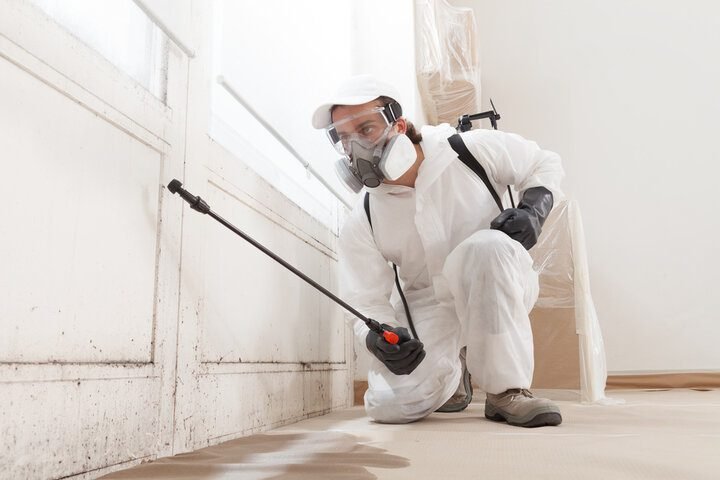
Our team establishes containment zones using physical barriers and negative air pressure systems. This prevents airborne spores from migrating into hallways, offices, or shared common areas.
Key containment and air quality measures include:
- Installation of plastic sheeting barriers
- Use of negative air machines with HEPA filtration
- Sealing of HVAC vents in affected areas
- Controlled entry and exit points for technicians
- Continuous air scrubbing during remediation
Air quality control is particularly important in occupied office buildings. In some cases, remediation can be phased to allow portions of the building to remain operational. For businesses in Silverthorne or Frisco, this approach reduces downtime while maintaining safety.
Damaged materials such as drywall, insulation, or carpeting are carefully removed and disposed of according to industry standards. Non-porous surfaces are cleaned and treated with antimicrobial solutions designed for commercial environments.
Throughout the process, we monitor moisture levels to ensure the source of the problem has been corrected. Simply removing visible mold is not enough. Addressing leaks, improving ventilation, and ensuring complete drying are essential to preventing recurrence.
By combining containment, air quality control, and structural drying, Rocky Mountain Restore helps restore safe, healthy workspaces for businesses across Summit County.
Working With Insurance for Faster Recovery
Commercial mold remediation often involves insurance claims, particularly when mold results from a covered water loss such as a burst pipe or roof leak. Navigating insurance documentation can be overwhelming for business owners already dealing with operational disruptions.
Rocky Mountain Restore works directly with insurance providers to streamline the recovery process. Serving Summit County and nearby mountain communities, we understand the documentation requirements for commercial property claims.
Our insurance support services include:
- Detailed damage documentation with photos
- Moisture readings and inspection reports
- Line-item estimates for remediation and repairs
- Direct communication with adjusters
- Coordination of restoration timelines
Early communication with your insurer is important. Policies vary in how they address mold, especially if it developed over time. Prompt reporting and professional documentation improve the likelihood of a smoother claims process.
We also assist with:
- Emergency water mitigation following leaks
- Temporary measures to protect business assets
- Full reconstruction after remediation
For office buildings in Breckenridge, Silverthorne, Dillon, Frisco, Keystone, Vail, and surrounding areas, having a restoration partner who understands both remediation and insurance procedures can significantly reduce stress.
Our goal is not only to remove mold but to restore your commercial property to pre-loss condition as efficiently as possible. From initial inspection to final repairs, Rocky Mountain Restore provides comprehensive commercial mold remediation solutions tailored to Colorado’s mountain environment.
Frequently Asked Questions
How quickly should mold be removed from an office building in Summit County?
Mold should be addressed as soon as it is discovered, ideally within 24 to 48 hours of identifying moisture or visible growth. In mountain communities like Breckenridge and Silverthorne, temperature swings and humidity can accelerate mold spread. Rocky Mountain Restore serving Summit County and nearby communities offers prompt inspection and remediation services to help limit damage, reduce health concerns, and prevent business interruption.
Can employees remain in the building during commercial mold remediation?
In some cases, portions of an office building can remain occupied if proper containment and air filtration systems are in place. The decision depends on the size and location of the affected area. Rocky Mountain Restore evaluates each project individually and uses negative air pressure and HEPA filtration to protect indoor air quality while minimizing disruption for businesses in Frisco, Dillon, and surrounding areas.
Does commercial property insurance cover mold remediation in Colorado?
Coverage depends on the cause of the mold and the specific terms of your policy. Mold resulting from a sudden and accidental water loss, such as a burst pipe, is often covered, while long-term maintenance issues may not be. Rocky Mountain Restore works with commercial property owners throughout Summit County to document damage thoroughly and communicate directly with insurance adjusters to support the claims process.
What causes mold to grow in mountain office buildings?
Mold growth in Colorado mountain offices is commonly caused by roof leaks from snow accumulation, ice dams, plumbing failures, and HVAC condensation. The freeze-thaw cycle in areas like Breckenridge and Vail can allow moisture to enter building materials. Without proper drying and ventilation, mold can begin growing within days, making fast water damage restoration and inspection essential.
How is commercial mold different from residential mold problems?
Commercial mold remediation often involves larger spaces, complex HVAC systems, and higher occupant loads. In office buildings across Silverthorne and Keystone, mold can spread through shared ductwork and affect multiple rooms. Rocky Mountain Restore uses specialized containment, air filtration, and moisture detection tools designed specifically for commercial environments to ensure comprehensive remediation.
What steps are involved in professional mold remediation?
Professional mold remediation typically includes inspection, moisture detection, containment setup, removal of contaminated materials, cleaning and antimicrobial treatment, and structural drying. Rocky Mountain Restore serving Summit County and nearby mountain communities follows industry standards to ensure mold is removed safely and thoroughly, reducing the risk of recurrence.
Can mold return after remediation?
Mold can return if the underlying moisture problem is not corrected. That is why addressing leaks, ventilation issues, or humidity problems is a critical part of the remediation process. Rocky Mountain Restore focuses on identifying and resolving the source of moisture in commercial buildings throughout Breckenridge and surrounding areas to help prevent future growth.
Do you provide other property damage restoration services besides mold remediation?
Yes. Rocky Mountain Restore provides water damage restoration, fire and smoke damage cleanup, storm damage repair, and full property reconstruction services for both residential and commercial properties in Summit County and nearby Colorado mountain communities. Our team offers comprehensive restoration solutions designed to help property owners recover quickly and safely after unexpected damage.
{
  "@context": "https://schema.org",
  "@type": "FAQPage",
  "mainEntity": [
    {
      "@type": "Question",
      "name": "How quickly should mold be removed from an office building in Summit County?",
      "acceptedAnswer": {
        "@type": "Answer",
        "text": "Mold should be addressed as soon as it is discovered, ideally within 24 to 48 hours of identifying moisture or visible growth. In mountain communities like Breckenridge and Silverthorne, temperature swings and humidity can accelerate mold spread. Rocky Mountain Restore serving Summit County and nearby communities offers prompt inspection and remediation services to help limit damage, reduce health concerns, and prevent business interruption."
      }
    },
    {
      "@type": "Question",
      "name": "Can employees remain in the building during commercial mold remediation?",
      "acceptedAnswer": {
        "@type": "Answer",
        "text": "In some cases, portions of an office building can remain occupied if proper containment and air filtration systems are in place. The decision depends on the size and location of the affected area. Rocky Mountain Restore evaluates each project individually and uses negative air pressure and HEPA filtration to protect indoor air quality while minimizing disruption for businesses in Frisco, Dillon, and surrounding areas."
      }
    },
    {
      "@type": "Question",
      "name": "Does commercial property insurance cover mold remediation in Colorado?",
      "acceptedAnswer": {
        "@type": "Answer",
        "text": "Coverage depends on the cause of the mold and the specific terms of your policy. Mold resulting from a sudden and accidental water loss, such as a burst pipe, is often covered, while long-term maintenance issues may not be. Rocky Mountain Restore works with commercial property owners throughout Summit County to document damage thoroughly and communicate directly with insurance adjusters to support the claims process."
      }
    },
    {
      "@type": "Question",
      "name": "What causes mold to grow in mountain office buildings?",
      "acceptedAnswer": {
        "@type": "Answer",
        "text": "Mold growth in Colorado mountain offices is commonly caused by roof leaks from snow accumulation, ice dams, plumbing failures, and HVAC condensation. The freeze-thaw cycle in areas like Breckenridge and Vail can allow moisture to enter building materials. Without proper drying and ventilation, mold can begin growing within days, making fast water damage restoration and inspection essential."
      }
    },
    {
      "@type": "Question",
      "name": "How is commercial mold different from residential mold problems?",
      "acceptedAnswer": {
        "@type": "Answer",
        "text": "Commercial mold remediation often involves larger spaces, complex HVAC systems, and higher occupant loads. In office buildings across Silverthorne and Keystone, mold can spread through shared ductwork and affect multiple rooms. Rocky Mountain Restore uses specialized containment, air filtration, and moisture detection tools designed specifically for commercial environments to ensure comprehensive remediation."
      }
    },
    {
      "@type": "Question",
      "name": "What steps are involved in professional mold remediation?",
      "acceptedAnswer": {
        "@type": "Answer",
        "text": "Professional mold remediation typically includes inspection, moisture detection, containment setup, removal of contaminated materials, cleaning and antimicrobial treatment, and structural drying. Rocky Mountain Restore serving Summit County and nearby mountain communities follows industry standards to ensure mold is removed safely and thoroughly, reducing the risk of recurrence."
      }
    },
    {
      "@type": "Question",
      "name": "Can mold return after remediation?",
      "acceptedAnswer": {
        "@type": "Answer",
        "text": "Mold can return if the underlying moisture problem is not corrected. That is why addressing leaks, ventilation issues, or humidity problems is a critical part of the remediation process. Rocky Mountain Restore focuses on identifying and resolving the source of moisture in commercial buildings throughout Breckenridge and surrounding areas to help prevent future growth."
      }
    },
    {
      "@type": "Question",
      "name": "Do you provide other property damage restoration services besides mold remediation?",
      "acceptedAnswer": {
        "@type": "Answer",
        "text": "Yes. Rocky Mountain Restore provides water damage restoration, fire and smoke damage cleanup, storm damage repair, and full property reconstruction services for both residential and commercial properties in Summit County and nearby Colorado mountain communities. Our team offers comprehensive restoration solutions designed to help property owners recover quickly and safely after unexpected damage."
      }
    }
  ]
}