Water damage in Breckenridge is rarely straightforward. At 9,600 feet above sea level, homes and commercial buildings in this mountain town face a unique mix of heavy snowfall, freeze-thaw cycles, and rapid weather shifts. When water damage occurs, whether from a burst pipe, ice dam, roof leak, or appliance failure, the restoration process must account for the high-altitude climate and the construction styles common throughout Summit County.
Rocky Mountain Restore is based in Summit County, Colorado, and works with property owners throughout Breckenridge, Silverthorne, Dillon, Frisco, Keystone, Vail, and surrounding mountain communities. With experience in both residential and commercial water damage cleanup, the team understands how mountain weather, building materials, and seasonal occupancy affect restoration timelines and techniques. Knowing what to expect during Breckenridge water damage cleanup can help homeowners and business owners respond quickly and confidently.
Water damage in mountain properties often involves:
- Saturated insulation in exterior walls due to melting snow intrusion
- Frozen or burst pipes in crawl spaces and unheated areas
- Water intrusion from ice dams along roof edges
- Flooding from rapid spring snowmelt or heavy summer storms
- Secondary issues such as mold growth or structural weakening
Because of these risks, professional water damage restoration in Breckenridge is not just about removing visible water. It involves thorough drying, moisture detection, and preventative measures to protect the building long term.
In communities like Breckenridge and Frisco, many homes are vacation properties or short-term rentals. If water damage occurs while the property is unoccupied, moisture can linger for days or even weeks before discovery. This can significantly increase the scope of cleanup and repair. Rocky Mountain Restore approaches each project with a detailed plan tailored to the property type, whether it is a single-family home, condo unit, retail shop, restaurant, or office building.
Understanding how water damage behaves in Colorado’s mountain climate is the first step toward effective restoration. The next step is identifying what caused the damage in the first place.
Common Causes of Water Damage in Mountain Homes
Water damage in Breckenridge and surrounding Summit County communities often stems from predictable yet severe seasonal challenges. Unlike lower-elevation areas, mountain homes endure prolonged snow accumulation and freezing temperatures that put plumbing systems and roofing structures under stress for months at a time.
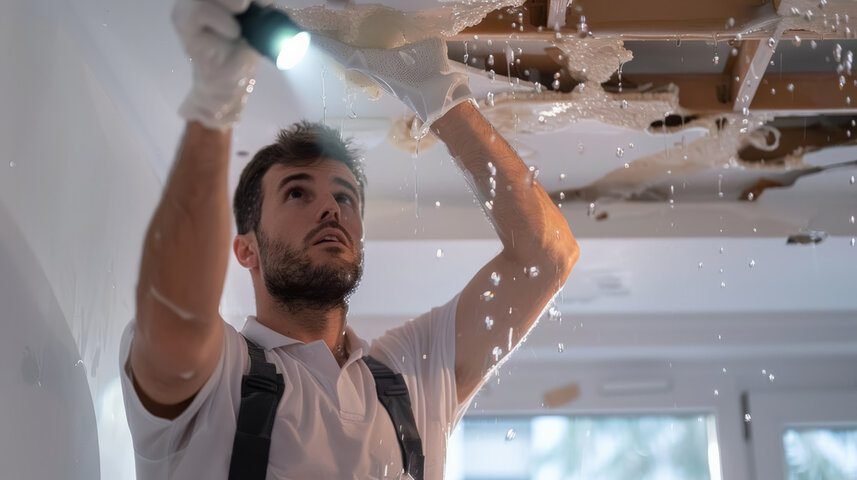
One of the most common causes of water damage in mountain properties is frozen pipes. When temperatures drop well below freezing, especially in unheated garages, crawl spaces, or vacant homes, pipes can freeze and burst. Even a small crack can release hundreds of gallons of water in a short period, leading to soaked drywall, warped flooring, and compromised framing.
Other frequent sources of water damage include:
- Ice dams that force melting snow under shingles and into attic spaces
- Malfunctioning water heaters or boilers
- Dishwasher and washing machine hose failures
- Roof leaks caused by heavy snow loads
- Foundation seepage during spring snowmelt
In Breckenridge and nearby areas such as Silverthorne and Dillon, ice dams are particularly problematic. As warm air escapes through the attic, it melts snow on the roof. The water refreezes at the eaves, creating a barrier that traps additional meltwater behind it. This water can then back up under roofing materials and seep into ceilings and walls.
Commercial properties face additional risks. Restaurants, hotels, and retail spaces often rely on complex plumbing systems and fire suppression systems that can leak or rupture. A sprinkler line break in winter can cause widespread interior damage within minutes.
Common warning signs of water damage include:
- Staining or discoloration on ceilings or walls
- Warped hardwood or laminate flooring
- Musty odors in enclosed spaces
- Peeling paint or bubbling drywall
- Sudden increases in water bills
When these signs appear, prompt action is essential. Rocky Mountain Restore provides water damage restoration services throughout Summit County, including Breckenridge 80424 and Frisco 80443, helping property owners minimize long-term damage and restoration costs.
The Initial Inspection and Assessment Process
When you contact Rocky Mountain Restore for Breckenridge water damage cleanup, the first step is a comprehensive inspection and damage assessment. This stage is critical because water often travels beyond what is visible on the surface. Professional evaluation ensures no hidden moisture pockets are left behind.
The inspection process typically begins with identifying the source of the water intrusion. Whether it is a broken pipe, roof leak, or appliance failure, stopping the source is the top priority. If necessary, property owners may also coordinate with plumbers, roofers, or utility providers to address active leaks before full restoration begins.
During the assessment, technicians use specialized tools and techniques, such as:
- Moisture meters to measure water content in drywall and wood
- Thermal imaging cameras to detect hidden moisture behind walls
- Hygrometers to monitor humidity levels
- Infrared technology to locate temperature differences indicating damp areas
The team also categorizes the type of water involved. Clean water from a supply line requires a different approach than contaminated water from a sewer backup or storm runoff. This classification influences the cleaning methods, safety precautions, and disposal procedures used during restoration.
After inspection, Rocky Mountain Restore provides a detailed explanation of the scope of work. This often includes:
- Areas requiring water extraction
- Materials that must be removed, such as carpet or insulation
- Estimated drying time
- Potential mold prevention steps
- Recommended repairs or reconstruction
Clear communication is a key part of the process. Property owners in Keystone, Vail, and throughout Summit County can expect transparency about timelines, equipment placement, and next steps. For commercial clients, minimizing downtime is often a primary concern, and restoration plans are developed with business continuity in mind.
A thorough inspection sets the stage for efficient water extraction and structural drying.
Emergency Water Extraction and Drying Techniques
Once the assessment is complete, the next phase of Breckenridge water damage cleanup involves removing standing water and beginning the drying process. Fast action significantly reduces the risk of mold growth, structural deterioration, and secondary damage.
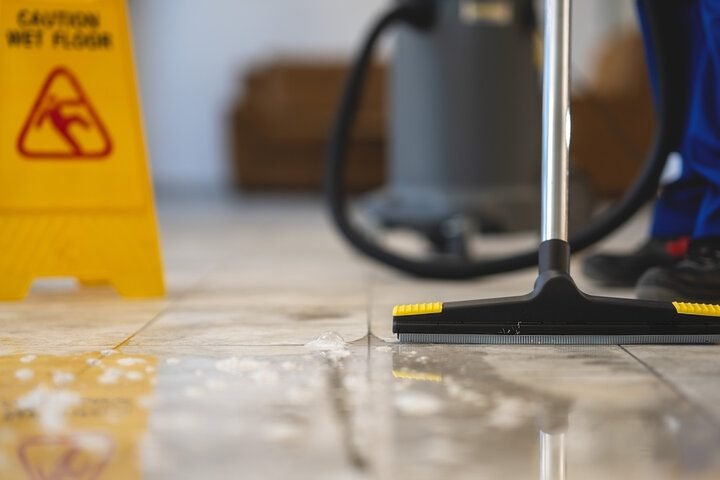
Water extraction typically starts with high-powered pumps and industrial wet vacuums. These tools remove large volumes of standing water from floors, carpets, and lower wall cavities. In severe cases, especially in basements or ground-level units in Dillon or Silverthorne, submersible pumps may be used to clear deeper flooding.
The extraction phase may include:
- Pumping out pooled water
- Removing saturated carpet and padding
- Extracting water from hardwood floors
- Draining affected crawl spaces
- Removing damaged baseboards or drywall sections
After visible water is removed, structural drying begins. This is often the longest part of the process and requires careful monitoring. Commercial-grade air movers and dehumidifiers are strategically placed to create airflow and draw moisture out of building materials.
Key drying techniques include:
- High-velocity air circulation to speed evaporation
- Refrigerant or desiccant dehumidification depending on conditions
- Controlled demolition of non-salvageable materials
- Daily moisture readings to track progress
In mountain environments like Breckenridge, cold outdoor temperatures can slow natural evaporation. That is why professional drying equipment and climate control strategies are essential. Technicians may adjust indoor heating levels to optimize drying without causing additional stress to materials.
Throughout the process, Rocky Mountain Restore documents moisture levels and drying progress. This documentation is often valuable for insurance claims and helps demonstrate that the property has been properly restored to pre-loss condition.
Thorough water extraction and drying not only protect structural integrity but also reduce the likelihood of mold growth, which can begin within 24 to 48 hours under the right conditions.
Preventing Mold After Water Damage in Colorado Homes
Mold prevention is a critical part of water damage restoration in Breckenridge and throughout Summit County. The combination of moisture, organic building materials, and fluctuating indoor temperatures creates an environment where mold can develop quickly if not addressed properly.
After water damage, mold spores can begin to grow on drywall, wood framing, insulation, and carpeting. Even small amounts of residual moisture trapped behind walls can support microbial growth. That is why thorough drying and post-drying verification are essential steps in the restoration process.
Effective mold prevention strategies include:
- Rapid water extraction within the first 24 hours
- Complete removal of unsalvageable porous materials
- Application of antimicrobial treatments where appropriate
- HEPA air filtration during and after cleanup
- Moisture verification testing before reconstruction
In mountain communities such as Frisco and Keystone, vacation homes that remain closed up for extended periods can be especially vulnerable. If humidity levels rise or a minor leak goes unnoticed, mold can spread behind walls or under flooring.
Rocky Mountain Restore provides mold remediation services alongside water damage restoration. If mold is discovered during cleanup, containment procedures are put in place to prevent spores from spreading to unaffected areas. This may involve:
- Installing containment barriers
- Using negative air pressure systems
- Safe removal and disposal of contaminated materials
- Cleaning and sanitizing affected surfaces
Preventing mold is not only about protecting the structure. It also helps maintain healthy indoor air quality for occupants. For commercial spaces in Vail or Silverthorne, addressing mold quickly can prevent business disruptions and potential liability concerns.
With proper drying, monitoring, and remediation techniques, water-damaged properties can be restored safely and effectively.
Working With Insurance in Summit County Claims
Navigating insurance claims after water damage can feel overwhelming, especially when dealing with property repairs and potential displacement at the same time. Understanding what to expect can make the process more manageable.
After contacting Rocky Mountain Restore for Breckenridge water damage cleanup, many property owners also notify their insurance provider. Restoration professionals often assist by documenting damage, providing detailed estimates, and communicating directly with adjusters when needed.
The insurance support process may involve:
- Detailed photo and moisture documentation
- Written scope of work and cost estimates
- Coordination with insurance adjusters
- Clarification of covered versus non-covered items
- Ongoing updates as restoration progresses
Policies vary widely, especially in mountain regions where certain exclusions may apply to gradual leaks or maintenance-related issues. A clear, itemized restoration plan helps both the property owner and insurer understand the necessary repairs.
Commercial property claims may involve additional considerations such as business interruption coverage. For hotels, restaurants, and retail spaces in Breckenridge and surrounding communities, minimizing downtime is often critical. Restoration timelines and documentation can support these claims.
When working with Rocky Mountain Restore, property owners throughout Summit County benefit from a team familiar with local building codes, climate challenges, and common claim scenarios in mountain environments. Clear communication, organized documentation, and a structured restoration plan can significantly reduce stress during the claims process.
Water damage cleanup in Breckenridge is not just about drying a building. It is about restoring safety, functionality, and peace of mind for homeowners and businesses alike.
Frequently Asked Questions
How long does water damage restoration take in Breckenridge?
Water damage restoration timelines vary depending on the extent of the damage, the type of water involved, and how quickly cleanup begins. In many cases, water extraction and drying take three to five days, while repairs and reconstruction may take longer. Rocky Mountain Restore serving Summit County and nearby communities provides detailed timelines after the initial inspection so property owners know what to expect at each stage.
What should I do immediately after discovering water damage in my mountain home?
First, ensure safety by shutting off the water source if possible and avoiding areas with electrical hazards. Then contact a professional water damage restoration company to assess the situation quickly. Rocky Mountain Restore based in Summit County responds to water damage calls throughout Breckenridge, Silverthorne, Dillon, and surrounding areas to help minimize structural damage and reduce the risk of mold growth.
Will my homeowner’s insurance cover water damage restoration?
Coverage depends on the cause of the water damage and the specific terms of your policy. Sudden and accidental events, such as burst pipes, are often covered, while gradual leaks may not be. Rocky Mountain Restore works with property owners and insurance providers throughout Summit County to document damage and support the claims process with clear estimates and reports.
Can mold grow even after the water appears to be dry?
Yes, mold can develop if moisture remains trapped behind walls, under flooring, or in insulation. Even when surfaces feel dry, hidden dampness can create ideal conditions for microbial growth. Rocky Mountain Restore uses moisture meters, thermal imaging, and professional drying equipment to ensure properties in Breckenridge and surrounding mountain communities are thoroughly dried before reconstruction begins.
Do you provide commercial water damage restoration in Summit County?
Yes, commercial water damage restoration services are available for offices, retail stores, restaurants, hotels, and other commercial properties throughout Breckenridge, Frisco, Keystone, Vail, and nearby areas. Rocky Mountain Restore understands the importance of minimizing downtime and works efficiently to restore operations while maintaining safety and compliance standards.
What is involved in mold remediation after water damage?
Mold remediation typically includes containment of affected areas, removal of contaminated materials, HEPA air filtration, and thorough cleaning of surfaces. The goal is to eliminate active mold growth and prevent spores from spreading. Rocky Mountain Restore provides mold remediation services throughout Summit County as part of comprehensive property damage restoration solutions.
Can frozen pipes cause significant water damage in Colorado mountain homes?
Absolutely. Frozen pipes are one of the most common causes of water damage in high-altitude communities like Breckenridge. When pipes freeze and burst, they can release large amounts of water quickly, especially in unoccupied homes. Rocky Mountain Restore responds to frozen pipe emergencies across Summit County with extraction, drying, and repair coordination services.
Do you handle fire and smoke damage restoration as well?
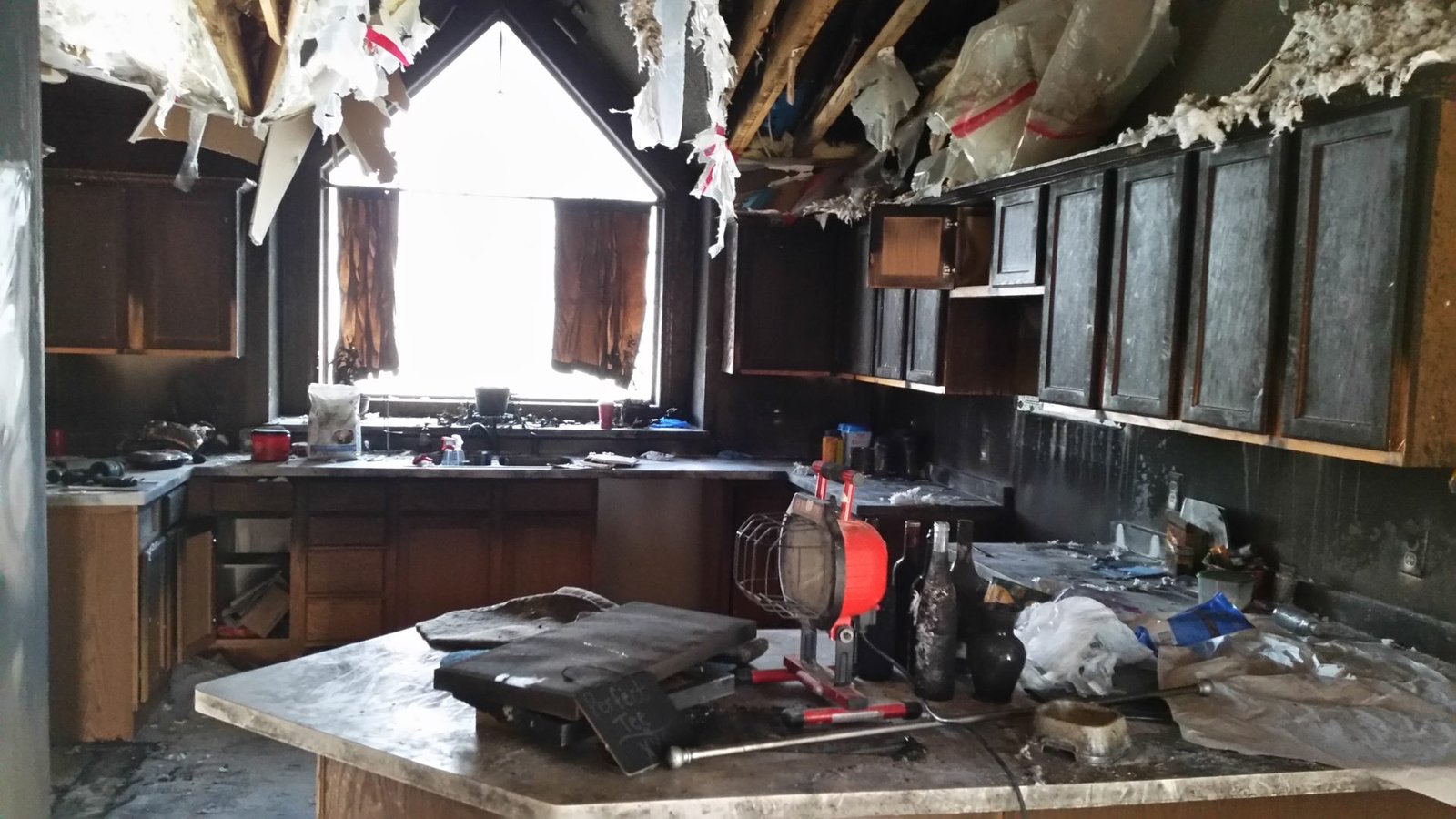
Yes, in addition to water damage cleanup, Rocky Mountain Restore provides fire and smoke damage restoration services for residential and commercial properties throughout Summit County and surrounding Colorado mountain communities. This includes soot cleanup, odor removal, structural cleaning, and reconstruction support following fire-related property damage.