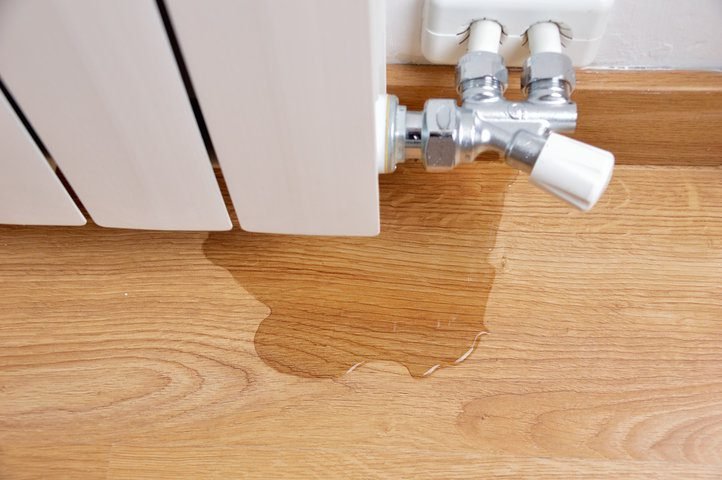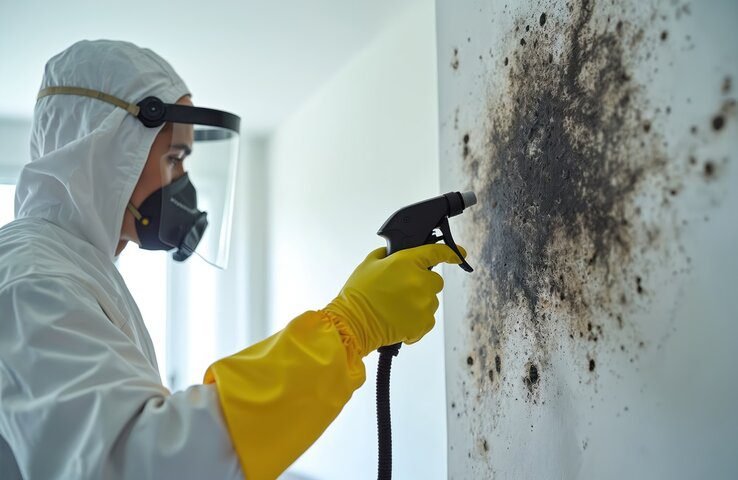

Winter in Breckenridge is beautiful, but it also brings serious risks to homes and commercial properties. Heavy snowfall, freezing temperatures, ice buildup, and rapid thaw cycles can all lead to significant water damage if preventive steps are not taken. For property owners in Summit County and surrounding mountain communities, preparation is not optional. It is essential.
Rocky Mountain Restore is based in Summit County, Colorado and serves homeowners and businesses throughout Breckenridge, Silverthorne, Dillon, Frisco, Keystone, Vail, and nearby areas. With years of hands-on experience restoring properties after winter-related water damage, our team understands the unique challenges of high-altitude living. This guide explains how Breckenridge homes can prevent winter water damage and what to do if it occurs.
Understand Breckenridge Winter Risks to Your Home
Breckenridge winters are defined by prolonged freezing temperatures, high snowfall totals, and fluctuating daytime sun exposure. These factors combine to create ideal conditions for frozen pipes, ice dams, roof leaks, and interior water damage. Homes in areas such as Breckenridge 80424 and nearby Silverthorne often face extended cold snaps that can push plumbing systems to their limits.
The mountain climate also introduces altitude-related challenges. Thinner air and intense sun can cause snow to melt during the day and refreeze at night. This freeze-thaw cycle creates expansion and contraction in roofing materials, gutters, and siding. Over time, these repeated cycles weaken protective barriers and allow water intrusion.
Homeowners throughout Summit County should pay close attention to the following winter risk factors:
- Extended sub-zero temperatures that freeze plumbing lines
- Heavy snow accumulation adding weight to roofs
- Rapid snowmelt followed by nighttime refreezing
- Ice dams forming along roof edges
- Vacation homes left unattended for weeks
Properties in Frisco, Dillon, and Keystone are especially vulnerable if they are second homes that sit vacant during winter months. Without consistent heating and monitoring, a small plumbing issue can escalate into major structural water damage.
Understanding these risks allows homeowners to take preventive action before damage occurs. Winter water damage restoration in mountain communities often involves structural drying, insulation replacement, and mold remediation. Prevention is far more cost-effective than repair.
Prevent Frozen Pipes in Mountain Climates
Frozen pipes are one of the most common causes of winter water damage in Breckenridge homes. When temperatures drop below freezing, water inside pipes can solidify and expand. This expansion creates internal pressure that may crack or burst pipes, often inside walls or ceilings.
Mountain homes frequently have exposed plumbing in crawl spaces, garages, and exterior walls. In areas like Silverthorne and Dillon, where overnight temperatures can plummet, these vulnerable areas need special protection.
Homeowners can reduce the risk of frozen pipes by taking proactive measures:
- Insulate pipes in crawl spaces, attics, and garages
- Seal air leaks around foundation vents and utility openings
- Keep indoor temperatures consistent, even when away
- Allow faucets to drip during extreme cold
- Open cabinet doors to circulate warm air around plumbing
Consistency is key. Many water damage calls received by Rocky Mountain Restore involve homes where heat was lowered significantly to save energy. Even a brief temperature drop inside the home can freeze vulnerable plumbing lines.
For second homes or rental properties in Breckenridge and Keystone, consider installing smart thermostats and water leak detection systems. These tools provide remote monitoring and early alerts if temperatures drop or leaks begin. A small investment in monitoring technology can prevent thousands of dollars in water damage restoration.
If you suspect frozen pipes, act quickly. Turn off the main water supply and contact a professional restoration team to assess the situation. Quick mitigation can reduce structural damage and prevent mold growth.
Protect Roofs from Ice Dams and Snowmelt
Ice dams are a leading cause of winter roof leaks in Summit County. They form when heat escapes from the attic and melts snow on the roof. As melted snow runs downward and refreezes at the colder roof edge, it creates a barrier of ice. Water then backs up behind the dam and seeps under shingles.
Homes in Breckenridge and Frisco with complex rooflines are particularly prone to ice dam formation. Valleys, dormers, and multiple slopes create natural collection points for snow and ice.
Preventing ice dams requires addressing both heat loss and ventilation:
- Improve attic insulation to reduce heat escape
- Seal attic air leaks around vents and light fixtures
- Ensure proper soffit and ridge ventilation
- Remove excessive snow buildup safely
- Schedule professional roof inspections before winter
Proper attic ventilation allows cold air to circulate beneath the roof deck, keeping roof temperatures consistent. When roof surfaces remain cold, snow is less likely to melt unevenly and refreeze.
It is important not to chip away at ice dams aggressively. Improper removal can damage shingles and flashing, leading to more extensive leaks. Professional assessment is recommended if you notice interior ceiling stains, peeling paint, or dripping water during thaw periods.
Rocky Mountain Restore frequently assists homeowners in Vail and surrounding mountain communities with water damage caused by roof leaks and ice dams. Early detection and immediate drying help prevent secondary issues such as insulation saturation and mold growth.
Maintain Gutters to Avoid Costly Leaks This Winter
Gutters play a critical role in directing melting snow away from your home’s foundation. When gutters are clogged or damaged, water can overflow and seep into siding, basements, and crawl spaces.
In Breckenridge and Silverthorne, falling leaves in autumn often become trapped in gutter systems. When winter arrives, debris-filled gutters freeze into solid ice, preventing proper drainage. The weight of ice can also pull gutters away from the roofline.
Routine gutter maintenance should include:
- Clearing leaves and debris before snowfall
- Checking for loose brackets and sagging sections
- Ensuring downspouts discharge away from foundations
- Installing gutter guards if appropriate
- Inspecting seams for cracks or separation
Overflowing gutters contribute to foundation water intrusion. As snow melts, water that pools near the base of a home can seep into basements or crawl spaces. In colder conditions, that water may refreeze, expanding cracks in foundation walls.
Commercial properties in Dillon and Frisco also benefit from scheduled gutter inspections. Flat or low-slope roofing systems are especially sensitive to drainage issues during freeze-thaw cycles.
Preventive maintenance reduces the likelihood of emergency water damage restoration. A simple fall inspection can significantly reduce winter repair costs.
Insulate Attics and Crawl Spaces Properly
Insulation is one of the most effective defenses against winter water damage. Proper insulation maintains consistent indoor temperatures, reduces heat loss, and prevents condensation buildup.
In mountain climates, inadequate attic insulation contributes to both ice dams and frozen pipes. Crawl spaces that lack vapor barriers and insulation are also vulnerable to moisture intrusion.
Homeowners in Breckenridge and Keystone should evaluate insulation levels before peak winter:
- Verify attic insulation meets recommended R-values
- Install vapor barriers in crawl spaces
- Insulate and seal access hatches
- Check for signs of condensation or frost
- Address gaps around ducts and vents
Condensation can be just as damaging as active leaks. When warm indoor air meets cold surfaces in attics or crawl spaces, moisture forms. Over time, this damp environment promotes mold growth and wood rot.
Rocky Mountain Restore frequently performs mold remediation following long-term moisture exposure in poorly insulated spaces. Addressing insulation deficiencies early reduces the risk of costly repairs later.
Professional energy audits can identify hidden heat loss areas. By sealing air leaks and improving insulation, homeowners can protect both structural components and plumbing systems.
Act Fast When Water Damage Strikes in Cold Weather
Despite preventive efforts, winter water damage can still occur. Frozen pipes may burst unexpectedly, heavy snow may stress roofing systems, or rapid thaw cycles may overwhelm drainage systems. When water intrusion happens, fast action is critical.
Cold weather complicates water damage restoration. Moisture trapped in insulation and framing may refreeze, slowing drying efforts. Prompt professional mitigation prevents further structural deterioration.
If you discover water damage in your home or business:
- Shut off the main water supply if applicable
- Turn off electricity in affected areas if safe
- Document visible damage for insurance purposes
- Remove valuables and contents from wet areas
- Contact a professional restoration team immediately
Rocky Mountain Restore serving Summit County and nearby mountain communities provides responsive water damage restoration services following winter emergencies. Our team uses advanced moisture detection equipment, commercial-grade drying systems, and proven mitigation techniques tailored to high-altitude conditions.
Fast response reduces the risk of:
- Mold growth within 24 to 48 hours
- Structural wood rot
- Insulation failure
- Electrical hazards
- Long-term indoor air quality issues
Whether a residential property in Breckenridge or a commercial building in Silverthorne experiences winter-related water damage, professional assessment and restoration ensure the property is returned to safe, functional condition.
Early mitigation also supports smoother insurance claims. Thorough documentation, moisture mapping, and detailed reporting help property owners navigate the restoration process with confidence.
Frequently Asked Questions
What should I do if a pipe freezes in my Breckenridge home?
If you suspect a frozen pipe, keep the faucet open and apply gentle heat using a hair dryer or heating pad. Do not use open flames. If the pipe has burst or you see water leaking, shut off the main water supply immediately and contact a professional restoration company. Rocky Mountain Restore serving Summit County and nearby communities can assess damage, perform water extraction, and begin structural drying quickly to minimize long-term issues.
How can I prevent ice dams on my roof in Summit County?
Preventing ice dams requires proper attic insulation, air sealing, and ventilation to maintain consistent roof temperatures. Removing excessive snow buildup and scheduling seasonal roof inspections can also reduce risk. Rocky Mountain Restore works with homeowners across Breckenridge, Frisco, and Dillon to address water damage caused by ice dams and provide guidance on preventive improvements that reduce future incidents.
How quickly can mold grow after winter water damage?
Mold can begin developing within 24 to 48 hours after water intrusion, especially in damp insulation and drywall. Cold weather does not eliminate the risk, particularly once indoor heating resumes. Rocky Mountain Restore offers professional mold remediation services throughout Summit County to identify affected materials, contain contamination, and restore healthy indoor air quality after water damage events.
Does homeowners insurance cover winter water damage in Colorado?
Coverage depends on the specific policy and cause of damage. Sudden and accidental events like burst pipes are often covered, while gradual maintenance issues may not be. Rocky Mountain Restore works directly with insurance providers serving Breckenridge, Silverthorne, and surrounding areas to document damage, provide detailed estimates, and support homeowners throughout the claims process.
What are signs of hidden water damage during winter?
Common warning signs include ceiling stains, peeling paint, warped flooring, musty odors, and unexplained increases in water bills. In mountain homes, ice dams and frozen pipes may cause hidden leaks behind walls. Rocky Mountain Restore uses advanced moisture detection tools to locate concealed water intrusion in residential and commercial properties throughout Summit County.
Can commercial properties in Summit County experience winter water damage too?
Yes, commercial buildings in areas like Dillon and Vail are also vulnerable to frozen pipes, roof leaks, and drainage failures. Larger plumbing systems and flat roofing designs may increase risk. Rocky Mountain Restore provides commercial water damage restoration, structural drying, and reconstruction services to help businesses recover quickly and minimize operational downtime.
Is professional water damage restoration necessary after minor leaks?
Even small leaks can saturate insulation, drywall, and framing materials. Without proper drying, moisture may lead to mold growth and structural deterioration. Professional restoration ensures thorough moisture removal and documentation. Rocky Mountain Restore serving Breckenridge and nearby communities provides detailed inspections to determine the full extent of damage and prevent recurring issues.
How fast can emergency water damage services respond in mountain areas?
Response times vary based on weather and road conditions, but rapid action is always prioritized. Winter storms can complicate access, making early contact essential. Rocky Mountain Restore provides responsive emergency services throughout Summit County and surrounding Colorado mountain communities to mitigate water, fire, and mold damage as quickly and safely as possible.