Colorado’s mountain communities are known for breathtaking views, heavy snowfall, and dramatic seasonal weather shifts. For homeowners in Breckenridge, Silverthorne, Dillon, Frisco, Keystone, Vail, and throughout Summit County, those same natural elements can also create significant risks for water damage. From spring snowmelt and ice dams to frozen pipes and severe summer storms, water intrusion is one of the most common and costly issues facing residential and commercial properties in the High Country.
Rocky Mountain Restore is a locally trusted property damage restoration company based in Breckenridge, Colorado, serving homeowners and businesses throughout Summit County and nearby mountain communities. With extensive experience addressing water damage restoration, fire and smoke cleanup, mold remediation, and insurance restoration services, the team understands how Colorado’s unique climate affects properties year-round. This guide explores the top causes of water damage in Colorado homes and what property owners can do to reduce risk and respond quickly when damage occurs.
Understanding these risks is the first step in protecting your investment. Whether you own a full-time residence in Frisco, a vacation property in Keystone, or a commercial building in Silverthorne, knowing how and why water damage happens can help you act faster and minimize long-term structural and health concerns.
Heavy Snowmelt and Spring Runoff Risks in Homes
In Summit County and surrounding mountain communities, winter snowfall can accumulate rapidly and remain on rooftops and landscapes for months. When temperatures rise in late winter and early spring, melting snow creates large volumes of water that must drain safely away from homes. If drainage systems are overwhelmed or improperly maintained, water can infiltrate foundations, crawl spaces, and basements.
Spring runoff is particularly challenging in mountain terrain. Sloped lots, compacted soils, and frozen ground layers can prevent proper absorption. As snow melts quickly during warm daytime temperatures, water may pool around foundations or flow toward lower elevations where homes are situated. Without proper grading and drainage systems, even well-built properties in Breckenridge and Dillon can experience water intrusion.
Several factors increase the risk of snowmelt-related water damage:
- Improperly sloped landscaping that directs water toward the foundation
- Clogged or undersized gutters and downspouts
- Blocked exterior drains or window wells
- Cracked foundation walls or aging waterproofing systems
- Rapid temperature swings that accelerate melting
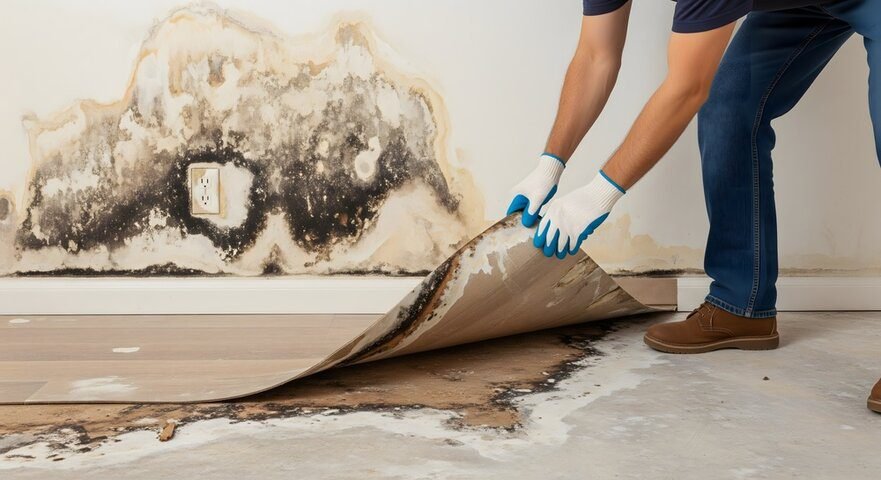
When snowmelt enters a home, it may first appear as damp carpeting, musty odors, or discoloration along baseboards. Over time, trapped moisture can lead to structural deterioration and mold growth. In some cases, homeowners do not notice damage until weeks after runoff season has ended.
Preventive steps can significantly reduce risk:
- Ensure gutters and downspouts extend several feet away from the foundation
- Maintain proper grading to direct water downhill and away from structures
- Install or maintain sump pumps in vulnerable basements
- Seal foundation cracks promptly
- Schedule seasonal property inspections before peak thaw
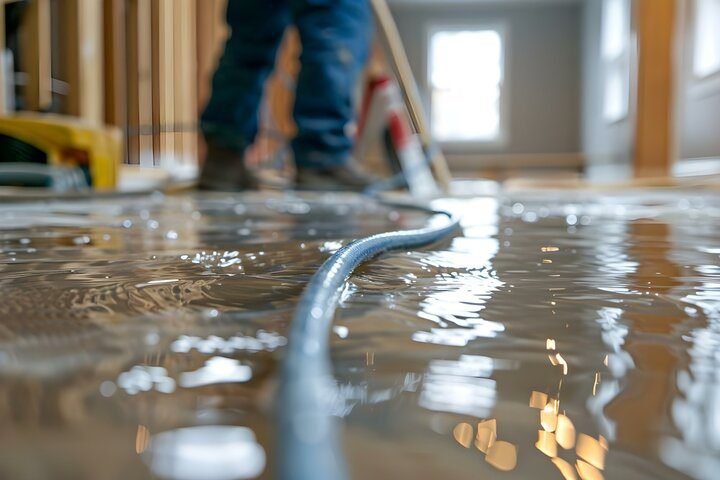
If water intrusion occurs during spring runoff, fast action is essential. Rocky Mountain Restore provides responsive water damage restoration services throughout Summit County, helping homeowners remove standing water, dry structural components, and prevent secondary damage such as mold growth.
Ice Dams Along Mountain Rooflines and Gutters
Ice dams are one of the most common winter-related causes of water damage in Colorado mountain homes. They form when heat escapes from a home’s interior, warming the roof and melting snow. As melted snow flows downward, it refreezes along colder roof edges and gutters, creating thick ridges of ice that trap additional meltwater behind them.
Once trapped, water can back up beneath shingles and seep into the roof decking, attic insulation, and interior walls. Homes in higher elevations like Breckenridge and Keystone are particularly vulnerable due to heavy snow loads and fluctuating temperatures. Even newer homes can experience ice dam formation if insulation or ventilation is insufficient.
Common warning signs of ice dams include:
- Large icicles forming along roof edges
- Ice buildup in gutters and downspouts
- Water stains on ceilings or walls
- Peeling paint near rooflines
- Dripping water during cold weather
Ice dams often cause hidden damage that goes unnoticed until drywall stains or mold odors appear. Moisture trapped in attics can saturate insulation, reducing energy efficiency and increasing heating costs. Over time, wood rot and structural weakening may occur.
To reduce the risk of ice dam formation, homeowners should consider:
- Improving attic insulation to reduce heat loss
- Ensuring proper attic ventilation to maintain consistent roof temperatures
- Safely removing excessive snow from roof surfaces
- Keeping gutters clear before winter begins
- Scheduling professional roof inspections after heavy snow seasons
When ice dam-related leaks occur, it is important to address both the source and the resulting water damage. Rocky Mountain Restore works with homeowners across Silverthorne, Frisco, and surrounding mountain communities to dry affected materials, repair damaged areas, and help coordinate with roofing professionals when needed.
Burst Pipes During Freezing Temperatures
Freezing temperatures are a routine part of life in Summit County, but they pose serious risks to plumbing systems. When water inside pipes freezes, it expands, creating pressure that can cause pipes to crack or burst. Even a small split in a pipe can release gallons of water into walls, ceilings, and floors within a short period.
Vacation homes and seasonal properties in areas like Dillon and Keystone face increased risk because they may sit unoccupied for extended periods. Without consistent heating and monitoring, indoor temperatures can drop low enough to freeze pipes, especially in crawl spaces, exterior walls, and uninsulated basements.
Areas most vulnerable to frozen pipes include:
- Pipes running along exterior walls
- Unheated garages and crawl spaces
- Under-sink plumbing near exterior walls
- Irrigation and hose bib connections
- Attic plumbing lines
The damage from burst pipes can be extensive. Water may travel behind walls and beneath flooring, saturating insulation and structural components before visible signs appear. In commercial properties, this can disrupt operations and cause significant financial loss.
Preventive measures can greatly reduce risk:
- Maintain consistent indoor heating, even when away
- Insulate exposed pipes in cold-prone areas
- Seal drafts near plumbing penetrations
- Allow faucets to drip slightly during extreme cold
- Shut off and drain exterior water lines before winter
If a pipe bursts, shutting off the main water supply immediately is critical. After stopping the water flow, contacting a professional restoration team helps ensure proper drying and damage assessment. Rocky Mountain Restore provides water extraction, structural drying, and comprehensive cleanup services throughout Summit County and neighboring Colorado mountain communities.
Basement Flooding From Rapid Snow Thaw Events
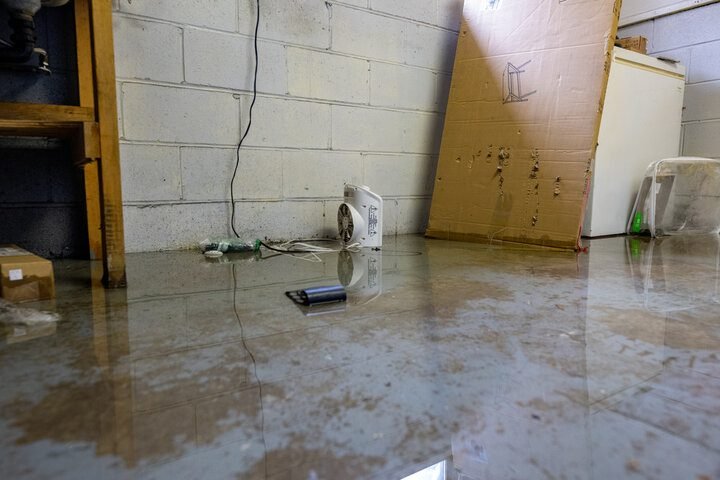
Basement flooding is a frequent issue during rapid snow thaw events. When large amounts of snow melt quickly due to warm temperatures or rain-on-snow events, drainage systems can become overwhelmed. In mountain regions with shallow soils or high water tables, this excess water often finds its way into lower-level living spaces.
Homes in Frisco and Silverthorne with finished basements are particularly susceptible. Water entering through foundation cracks, window wells, or sump pump failures can damage drywall, flooring, furniture, and personal belongings. Because basements are below grade, gravity naturally directs water toward these areas.
Common causes of basement flooding during snow thaw include:
- Sump pump failure or power outages
- Clogged perimeter drains
- Poor exterior grading
- Foundation wall cracks
- Blocked window well drains
Flooded basements require immediate attention to prevent mold growth, which can begin within 24 to 48 hours. Standing water also creates safety hazards and may compromise electrical systems.
Effective prevention strategies include:
- Testing sump pumps before peak runoff season
- Installing battery backup systems
- Cleaning and maintaining foundation drains
- Installing window well covers
- Sealing foundation penetrations
When basement flooding occurs, professional drying and moisture mapping are essential. Rocky Mountain Restore uses specialized equipment to detect hidden moisture, remove water efficiently, and restore affected areas to safe, dry conditions throughout Summit County communities.
Leaking Appliances and Plumbing Failures
Not all water damage in Colorado homes is weather-related. Everyday appliances and plumbing systems are common sources of leaks that can cause significant damage if left undetected. Dishwashers, washing machines, water heaters, refrigerators with ice makers, and bathroom plumbing fixtures all present potential risks.
In many cases, appliance leaks start small and go unnoticed for weeks or months. A slow drip behind a washing machine in a Breckenridge home or a deteriorating water heater connection in a Dillon condo can gradually saturate flooring and subfloor materials. By the time visible damage appears, mold growth or structural weakening may already be underway.
Common appliance and plumbing-related water damage sources include:
- Worn washing machine supply hoses
- Corroded water heater tanks
- Loose dishwasher connections
- Cracked toilet supply lines
- Failing refrigerator water lines
Regular inspections and maintenance help reduce the likelihood of sudden failures. Replacing rubber hoses with braided steel lines and scheduling routine plumbing checks can prevent costly damage.
If an appliance leak leads to water damage, professional mitigation services help ensure thorough drying and sanitization:
- Water extraction and moisture detection
- Removal of damaged materials
- Structural drying with air movers and dehumidifiers
- Mold prevention treatments
- Documentation for insurance claims
Rocky Mountain Restore assists homeowners and businesses across Summit County with comprehensive water damage restoration services, helping restore properties quickly and safely after plumbing failures.
Severe Summer Storms and Roof Damage in Colorado
While winter brings snow-related risks, summer in Colorado’s mountain regions often delivers intense thunderstorms, heavy rain, hail, and strong winds. These storms can damage roofing materials, loosen flashing, and create openings where water can infiltrate attics and interior spaces.
Hail is a particular concern in communities like Vail and Keystone. Even small hailstones can crack shingles or dent metal roofing systems, compromising their ability to shed water effectively. Wind-driven rain may then penetrate vulnerable areas, leading to leaks that develop gradually over time.
Storm-related water damage often stems from:
- Missing or damaged shingles
- Cracked flashing around chimneys and vents
- Hail impact fractures
- Clogged gutters after debris accumulation
- Fallen tree limbs puncturing roofing materials
After severe weather, it is important to inspect properties for signs of damage. Water stains on ceilings, attic dampness, or unexplained musty odors may indicate roof leaks. Early detection helps prevent more extensive structural damage and mold issues.
Preventive and responsive steps include:
- Scheduling roof inspections after major storms
- Keeping gutters and downspouts clear
- Trimming overhanging branches
- Repairing minor roof damage promptly
- Documenting storm impacts for insurance purposes
When storm-related water intrusion occurs, Rocky Mountain Restore provides responsive property damage restoration services across Summit County and nearby mountain communities. The team works with property owners and insurance providers to assess damage, mitigate moisture, and restore homes and commercial buildings efficiently.
Frequently Asked Questions
What should I do immediately after water damage in my Colorado mountain home?
If you experience water damage in your home, the first step is to stop the source of water if it is safe to do so. Shut off the main water supply in the case of plumbing issues, or address visible leaks from appliances. Then contact a professional restoration company such as Rocky Mountain Restore serving Summit County and nearby communities to assess the damage, begin water extraction, and prevent mold growth or structural deterioration.
How quickly can mold grow after water damage?
Mold can begin developing within 24 to 48 hours after water exposure, especially in damp, enclosed areas like basements or wall cavities. In Colorado mountain communities where temperature fluctuations occur, moisture trapped in insulation or drywall can accelerate growth. Rocky Mountain Restore provides prompt drying and mold remediation services to reduce health risks and prevent long-term damage.
Does homeowners insurance cover water damage from burst pipes?
In many cases, homeowners insurance policies cover sudden and accidental water damage, such as burst pipes. However, coverage may vary depending on the cause and maintenance history. Rocky Mountain Restore works with property owners throughout Summit County to document damage thoroughly and assist with insurance claims to help streamline the restoration process.
Are ice dams covered by insurance in Colorado?
Insurance coverage for ice dam damage often depends on the specifics of the policy and whether proper maintenance was performed. Damage caused by sudden leaks from ice dams may be covered, but gradual or neglected issues may not be. Rocky Mountain Restore can help assess the extent of water damage and provide documentation to support insurance claims in Breckenridge and surrounding areas.
How do I know if my basement has hidden water damage?
Signs of hidden water damage in basements include musty odors, warped flooring, peeling paint, or visible staining along walls. You may also notice increased humidity or condensation. Professional moisture mapping and inspection services offered by Rocky Mountain Restore throughout Summit County help identify concealed moisture and prevent mold growth or structural problems.
Can water damage affect commercial properties differently than homes?
Yes, commercial properties often contain larger plumbing systems, specialized equipment, and more complex building materials that can complicate water damage restoration. Business interruptions also add financial concerns. Rocky Mountain Restore provides commercial property damage restoration services in Silverthorne, Dillon, Frisco, and nearby areas, helping minimize downtime and restore operations efficiently.
What is involved in professional water damage restoration?
Professional water damage restoration typically includes inspection, moisture detection, water extraction, structural drying, dehumidification, cleaning, sanitizing, and repairs. Each project is tailored to the property’s specific needs. Rocky Mountain Restore serving Summit County and surrounding mountain communities uses industry-standard equipment and proven techniques to restore properties safely and thoroughly.
How can I prevent water damage in my mountain vacation home?
Preventing water damage in a vacation home involves maintaining consistent heating, insulating pipes, shutting off water when the property is unoccupied, and scheduling regular inspections. Installing smart leak detection systems can also provide alerts. Rocky Mountain Restore offers guidance and restoration support for seasonal property owners throughout Colorado’s mountain regions.