Water damage can escalate quickly in Colorado’s mountain communities. Whether it’s a burst pipe during a frigid Breckenridge winter or a dishwasher leak in a Frisco condo, emergency water extraction is often the first and most critical step in protecting your home or business. For property owners in Summit County and nearby areas like Silverthorne, Dillon, Keystone, and Vail, understanding how emergency water extraction works can make a major difference in recovery time, repair costs, and long-term structural health.
Rocky Mountain Restore, based in Breckenridge, Colorado, provides professional water damage restoration services throughout Summit County and surrounding mountain communities. With deep experience handling high-altitude weather challenges, frozen pipes, and rapid snowmelt flooding, the team understands the urgency and complexity of water-related property damage in this region.
This guide explains what homeowners and property managers should know about emergency water extraction, from the importance of acting fast to navigating insurance claims and choosing a trusted local restoration team.
Why Fast Water Extraction Matters Most in Mountain Homes
Mountain homes in Summit County face unique environmental pressures. Freezing temperatures, heavy snow accumulation, rapid spring thaws, and fluctuating humidity levels all increase the risk of water damage. When water enters a structure, time is not on your side. The longer moisture sits, the more destructive it becomes.
In high-elevation areas like Breckenridge and Keystone, water damage can spread rapidly beneath floors, into insulation, and behind drywall. What may look like a small leak on the surface can quickly turn into a structural concern. Fast emergency water extraction reduces secondary damage and helps protect your property’s integrity.
Here’s why immediate action is essential:
- Water can begin soaking into drywall and insulation within minutes
- Wood framing can start swelling and warping in less than 24 hours
- Mold growth can begin within 24 to 48 hours
- Electrical systems and HVAC components can be compromised quickly
Beyond structural damage, mountain homes often contain custom finishes, hardwood flooring, and high-end cabinetry. Delays in water removal can lead to permanent staining, delamination, and costly replacements.
Quick extraction also helps protect indoor air quality. Moisture trapped in walls and crawl spaces can create ideal conditions for mold and mildew, which are especially concerning in tightly sealed mountain homes designed for energy efficiency. Professional extraction combined with industrial drying equipment significantly reduces the risk of long-term air quality issues.
Finally, acting quickly helps limit insurance complications. Insurance carriers often look at mitigation efforts when evaluating claims. Prompt emergency water extraction demonstrates responsible property management and can streamline the claims process.
Common Causes of Water Damage in Summit County
Understanding the common causes of water damage in Summit County helps homeowners prepare and respond effectively. While every property is different, certain patterns are common throughout Breckenridge, Silverthorne, Dillon, and surrounding communities.
Frozen and burst pipes are among the most frequent causes of emergency water extraction calls in mountain towns. Overnight temperature drops can freeze water lines, especially in vacant properties or poorly insulated areas such as garages, crawl spaces, and exterior walls. When pipes thaw, they can rupture and release significant amounts of water.
Other common causes include:
- Ice dams forming along roof edges
- Snowmelt backing up under shingles
- Appliance failures, such as water heaters or washing machines
- Plumbing supply line leaks
- Sump pump malfunctions during heavy runoff
Ice dams deserve special attention in high-snow areas like Frisco and Keystone. When warm air escapes into the attic, it melts snow on the roof. The water refreezes at the colder eaves, creating a barrier that forces water under roofing materials and into ceilings and walls.
Rapid spring snowmelt is another regional concern. As temperatures rise, melting snow combined with frozen ground can lead to localized flooding around foundations. Water can seep into basements and lower levels, especially in homes with inadequate drainage systems.
Commercial properties are not immune. Restaurants, retail spaces, and lodging properties in Summit County may experience water damage from sprinkler system failures, roof leaks, or plumbing issues. In these cases, emergency water extraction helps minimize business interruption and revenue loss.
Recognizing the cause of water damage is critical because it influences the restoration approach. Clean water from a supply line requires different handling than potentially contaminated water from flooding or sewage backups.
The Emergency Extraction Process Explained
When water damage occurs, many homeowners wonder what actually happens during emergency water extraction. Understanding the process can reduce stress and clarify what to expect.
The first step is a thorough assessment. Restoration professionals inspect the affected areas to determine the source of water, the extent of damage, and the category of water involved. Moisture meters, thermal imaging cameras, and hygrometers help detect hidden moisture behind walls and under flooring.
Once the assessment is complete, the extraction process typically includes:
- Stopping the water source if it is still active
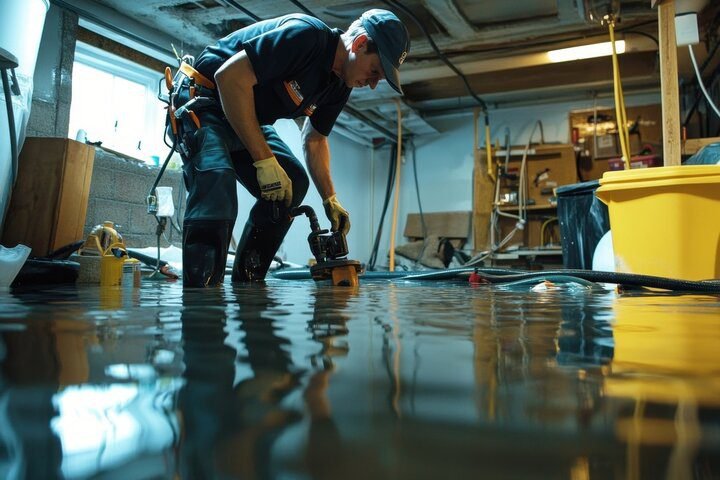
- Removing standing water with high-powered pumps
- Using industrial-grade wet vacuums for detailed extraction
- Extracting water from carpets, padding, and subflooring
- Setting up air movers and dehumidifiers for structural drying
Professional extraction equipment removes water much faster and more thoroughly than household tools. Shop vacuums and fans are not sufficient for large-scale water damage, especially when moisture has penetrated structural materials.
After visible water is removed, the drying phase begins. This step is critical. Even if surfaces appear dry, moisture can remain trapped inside walls, under baseboards, and within insulation. Strategic placement of air movers creates airflow across wet surfaces, while dehumidifiers pull moisture from the air.
Technicians monitor progress daily, adjusting equipment as needed. In mountain climates like Summit County, fluctuating humidity and cold temperatures can affect drying times. Experienced local professionals understand how to adapt drying strategies to high-altitude conditions.
Documentation is another important part of the process. Detailed photos, moisture readings, and equipment logs are often provided to support insurance claims. This transparency helps homeowners in Breckenridge, Dillon, and beyond feel confident that the job is being handled thoroughly and professionally.
How Professionals Prevent Mold After Flooding
Mold prevention is one of the most important goals of emergency water extraction. In mountain communities where homes are tightly insulated for energy efficiency, trapped moisture can quickly create hidden mold problems.
Mold spores are naturally present in the air. When excess moisture is introduced, these spores can begin to grow on damp materials such as drywall, wood, and carpet padding. Within 24 to 48 hours, growth can start in untreated areas.
Professional mold prevention during water cleanup involves several steps:
- Rapid water removal and structural drying
- Removal of unsalvageable materials
- Application of antimicrobial treatments
- Monitoring humidity levels throughout the process
- Thorough cleaning of affected surfaces
In some cases, portions of drywall or insulation must be removed to ensure complete drying. While this may seem invasive, it prevents much more costly mold remediation later.
Professionals also use containment methods when necessary. If mold is discovered during the drying process, containment barriers and air filtration devices may be installed to prevent spores from spreading to unaffected areas.
Homeowners in Keystone, Silverthorne, and Vail often ask whether they can simply spray a cleaning solution and solve the problem. Surface cleaning alone is rarely enough. True mold prevention requires addressing the underlying moisture source and ensuring materials are completely dry.
By combining fast extraction with proactive mold prevention strategies, restoration professionals significantly reduce the risk of long-term health and structural concerns.
Working With Insurance During Water Cleanup
Insurance claims can feel overwhelming, especially during an emergency. Knowing how water extraction and restoration companies coordinate with insurers can ease the burden.
After emergency water extraction begins, documentation becomes essential. Restoration teams typically photograph affected areas, record moisture readings, and outline the scope of work. This information supports your insurance claim and provides transparency about necessary repairs.
When working with insurance providers, homeowners should:
- Report the loss as soon as possible
- Document visible damage before cleanup begins
- Keep records of all communication
- Ask questions about coverage and deductibles
- Review estimates carefully
Rocky Mountain Restore works with homeowners and commercial property owners throughout Summit County to help streamline the claims process. While the final coverage decision rests with the insurance carrier, clear documentation and professional assessments often help move claims forward efficiently.
It is important to understand that not all water damage is treated the same under insurance policies. Sudden and accidental damage, such as a burst pipe, is often covered. Gradual leaks or deferred maintenance issues may not be. Reading your policy and speaking directly with your provider can clarify expectations.
In commercial settings, time is especially critical. Quick emergency water extraction not only limits structural damage but can also reduce downtime, which may factor into certain coverage considerations.
Having a restoration team familiar with local building standards and insurance processes in Colorado mountain communities can make a noticeable difference in communication and overall claim management.
Choosing a Local Restoration Team You Trust
When your home or business in Breckenridge or Summit County experiences water damage, choosing the right restoration partner is one of the most important decisions you will make.
Local experience matters. Mountain properties face challenges that differ from those in lower elevations. Freeze-thaw cycles, heavy snow loads, and seasonal occupancy patterns require specialized knowledge.
When evaluating a restoration company, consider:
- Experience serving Summit County and nearby mountain communities
- Rapid response capabilities
- Professional-grade equipment and training
- Clear communication and documentation
- Positive reviews from local homeowners and businesses
A locally based company like Rocky Mountain Restore understands the unique demands of properties in Silverthorne, Dillon, Frisco, Keystone, and Vail. Familiarity with regional construction styles, climate patterns, and common damage scenarios allows for more accurate assessments and efficient restoration plans.
Trust also comes from transparency. Clear explanations of the emergency water extraction process, realistic timelines, and open communication help reduce stress during an already difficult situation.
Finally, look for a team that views restoration as more than just drying out a building. True restoration focuses on returning your property to a safe, functional, and comfortable condition. From initial emergency response to final repairs, working with a trusted local partner helps ensure your mountain home or business is protected for the long term.
Frequently Asked Questions
How quickly should water be extracted after a flood in Summit County?
Water should be extracted as soon as possible, ideally within the first 24 hours. In mountain communities like Breckenridge and Frisco, cold temperatures and tightly insulated homes can trap moisture quickly, increasing the risk of mold growth and structural damage. Rocky Mountain Restore serving Summit County and nearby communities responds promptly to begin mitigation and reduce long-term damage.
Can I handle emergency water extraction myself?
Small spills may be manageable with household tools, but significant water damage typically requires professional equipment and expertise. Hidden moisture behind walls and under floors can go undetected without specialized tools. Rocky Mountain Restore uses commercial-grade pumps, air movers, and moisture detection technology to ensure thorough extraction and drying throughout Summit County properties.
Will my homeowner’s insurance cover water damage restoration?
Coverage depends on the source of the water and the details of your policy. Sudden and accidental events like burst pipes are often covered, while gradual leaks may not be. Rocky Mountain Restore works with homeowners in Silverthorne, Dillon, and surrounding areas to document damage and coordinate with insurance providers during the claims process.
How long does the water extraction and drying process take?
The timeline varies based on the extent of damage, materials affected, and environmental conditions. In many cases, extraction and structural drying can take three to five days, though more severe losses may take longer. Mountain climate factors in Summit County can influence drying times, which is why professional monitoring is essential.
What are the signs of mold after water damage?
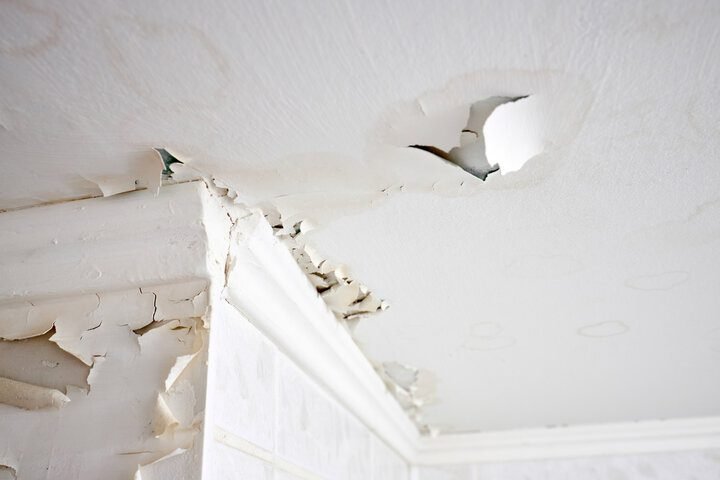
Common signs include musty odors, visible discoloration on walls or ceilings, peeling paint, and increased allergy-like symptoms indoors. Mold can also grow in hidden areas such as behind drywall or under flooring. Rocky Mountain Restore provides mold remediation services throughout Breckenridge and nearby communities if growth is discovered during or after water cleanup.
Do commercial properties need different water extraction services than homes?
Yes, commercial properties often require larger-scale equipment and strategic planning to minimize business interruption. Restaurants, retail stores, and lodging properties in Summit County may also have specialized materials and health regulations to consider. Rocky Mountain Restore provides tailored restoration solutions for both residential and commercial clients.
What should I do immediately after discovering water damage?
First, ensure your safety by turning off electricity in affected areas if it is safe to do so. Stop the water source if possible, and contact a professional restoration company promptly. Document visible damage with photos and notify your insurance provider. Quick action in communities like Keystone and Vail can significantly reduce repair costs and downtime.
Is mold remediation included in water damage restoration?
If mold is discovered during the water damage restoration process, remediation may be included as part of the overall scope of work. Proper drying often prevents mold growth, but if contamination is present, targeted remediation steps are necessary. Rocky Mountain Restore serving Summit County provides both water damage restoration and mold remediation services to fully address affected properties.
{
  "@context": "https://schema.org",
  "@type": "FAQPage",
  "mainEntity": [
    {
      "@type": "Question",
      "name": "How quickly should water be extracted after a flood in Summit County?",
      "acceptedAnswer": {
        "@type": "Answer",
        "text": "Water should be extracted as soon as possible, ideally within the first 24 hours. In mountain communities like Breckenridge and Frisco, cold temperatures and tightly insulated homes can trap moisture quickly, increasing the risk of mold growth and structural damage. Rocky Mountain Restore serving Summit County and nearby communities responds promptly to begin mitigation and reduce long-term damage."
      }
    },
    {
      "@type": "Question",
      "name": "Can I handle emergency water extraction myself?",
      "acceptedAnswer": {
        "@type": "Answer",
        "text": "Small spills may be manageable with household tools, but significant water damage typically requires professional equipment and expertise. Hidden moisture behind walls and under floors can go undetected without specialized tools. Rocky Mountain Restore uses commercial-grade pumps, air movers, and moisture detection technology to ensure thorough extraction and drying throughout Summit County properties."
      }
    },
    {
      "@type": "Question",
      "name": "Will my homeowner’s insurance cover water damage restoration?",
      "acceptedAnswer": {
        "@type": "Answer",
        "text": "Coverage depends on the source of the water and the details of your policy. Sudden and accidental events like burst pipes are often covered, while gradual leaks may not be. Rocky Mountain Restore works with homeowners in Silverthorne, Dillon, and surrounding areas to document damage and coordinate with insurance providers during the claims process."
      }
    },
    {
      "@type": "Question",
      "name": "How long does the water extraction and drying process take?",
      "acceptedAnswer": {
        "@type": "Answer",
        "text": "The timeline varies based on the extent of damage, materials affected, and environmental conditions. In many cases, extraction and structural drying can take three to five days, though more severe losses may take longer. Mountain climate factors in Summit County can influence drying times, which is why professional monitoring is essential."
      }
    },
    {
      "@type": "Question",
      "name": "What are the signs of mold after water damage?",
      "acceptedAnswer": {
        "@type": "Answer",
        "text": "Common signs include musty odors, visible discoloration on walls or ceilings, peeling paint, and increased allergy-like symptoms indoors. Mold can also grow in hidden areas such as behind drywall or under flooring. Rocky Mountain Restore provides mold remediation services throughout Breckenridge and nearby communities if growth is discovered during or after water cleanup."
      }
    },
    {
      "@type": "Question",
      "name": "Do commercial properties need different water extraction services than homes?",
      "acceptedAnswer": {
        "@type": "Answer",
        "text": "Yes, commercial properties often require larger-scale equipment and strategic planning to minimize business interruption. Restaurants, retail stores, and lodging properties in Summit County may also have specialized materials and health regulations to consider. Rocky Mountain Restore provides tailored restoration solutions for both residential and commercial clients."
      }
    },
    {
      "@type": "Question",
      "name": "What should I do immediately after discovering water damage?",
      "acceptedAnswer": {
        "@type": "Answer",
        "text": "First, ensure your safety by turning off electricity in affected areas if it is safe to do so. Stop the water source if possible, and contact a professional restoration company promptly. Document visible damage with photos and notify your insurance provider. Quick action in communities like Keystone and Vail can significantly reduce repair costs and downtime."
      }
    },
    {
      "@type": "Question",
      "name": "Is mold remediation included in water damage restoration?",
      "acceptedAnswer": {
        "@type": "Answer",
        "text": "If mold is discovered during the water damage restoration process, remediation may be included as part of the overall scope of work. Proper drying often prevents mold growth, but if contamination is present, targeted remediation steps are necessary. Rocky Mountain Restore serving Summit County provides both water damage restoration and mold remediation services to fully address affected properties."
      }
    }
  ]
}